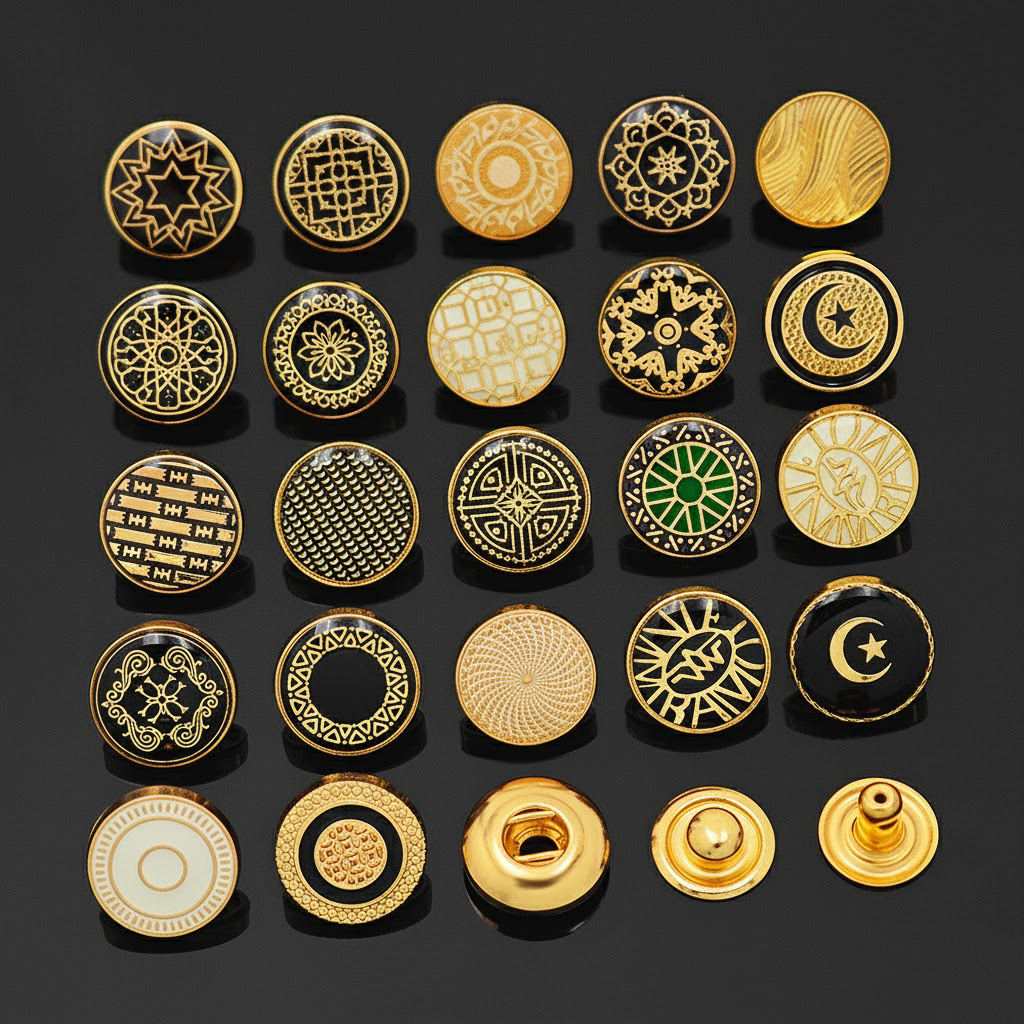

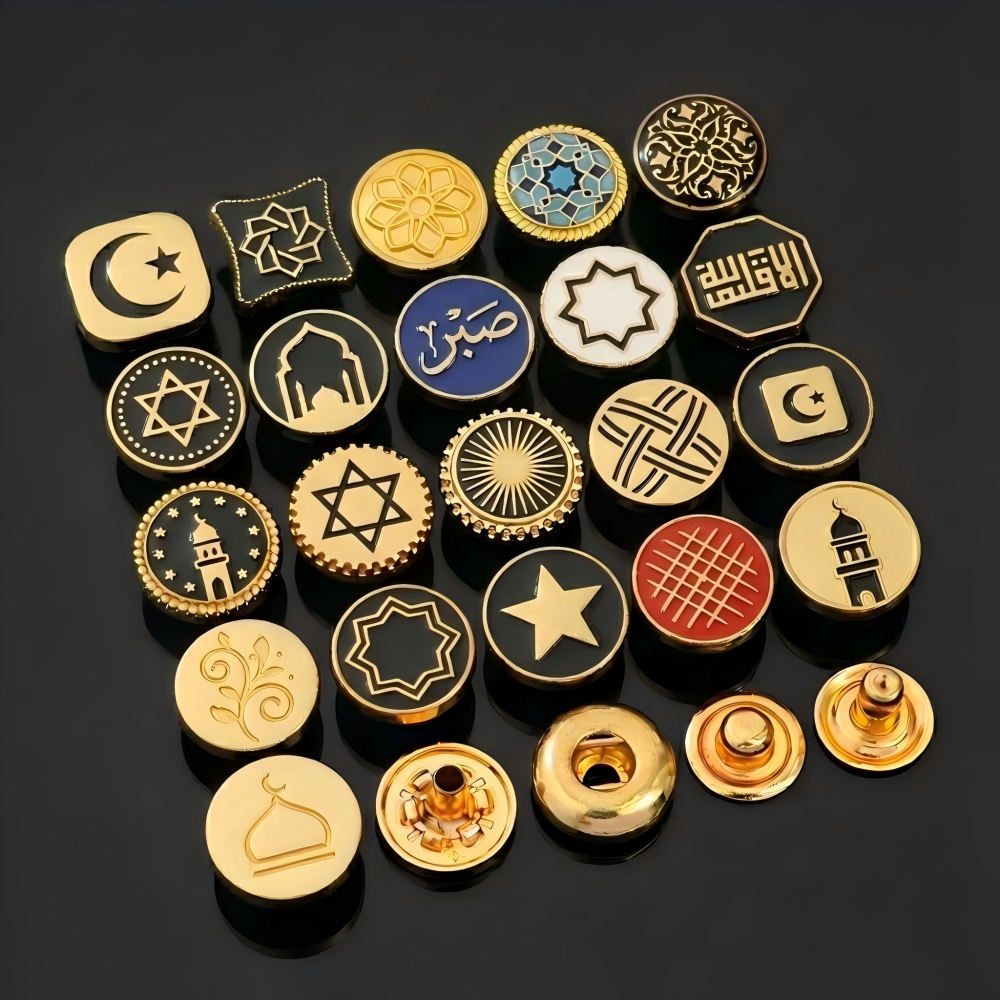
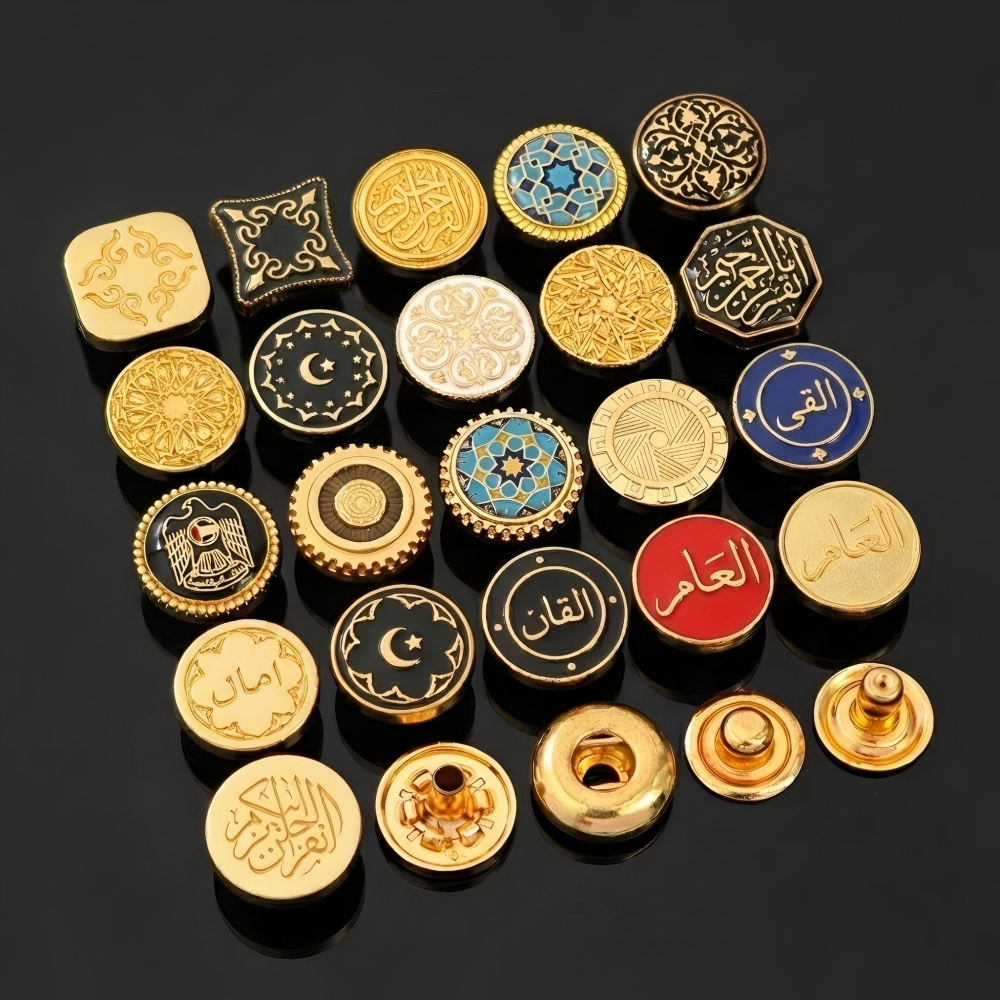
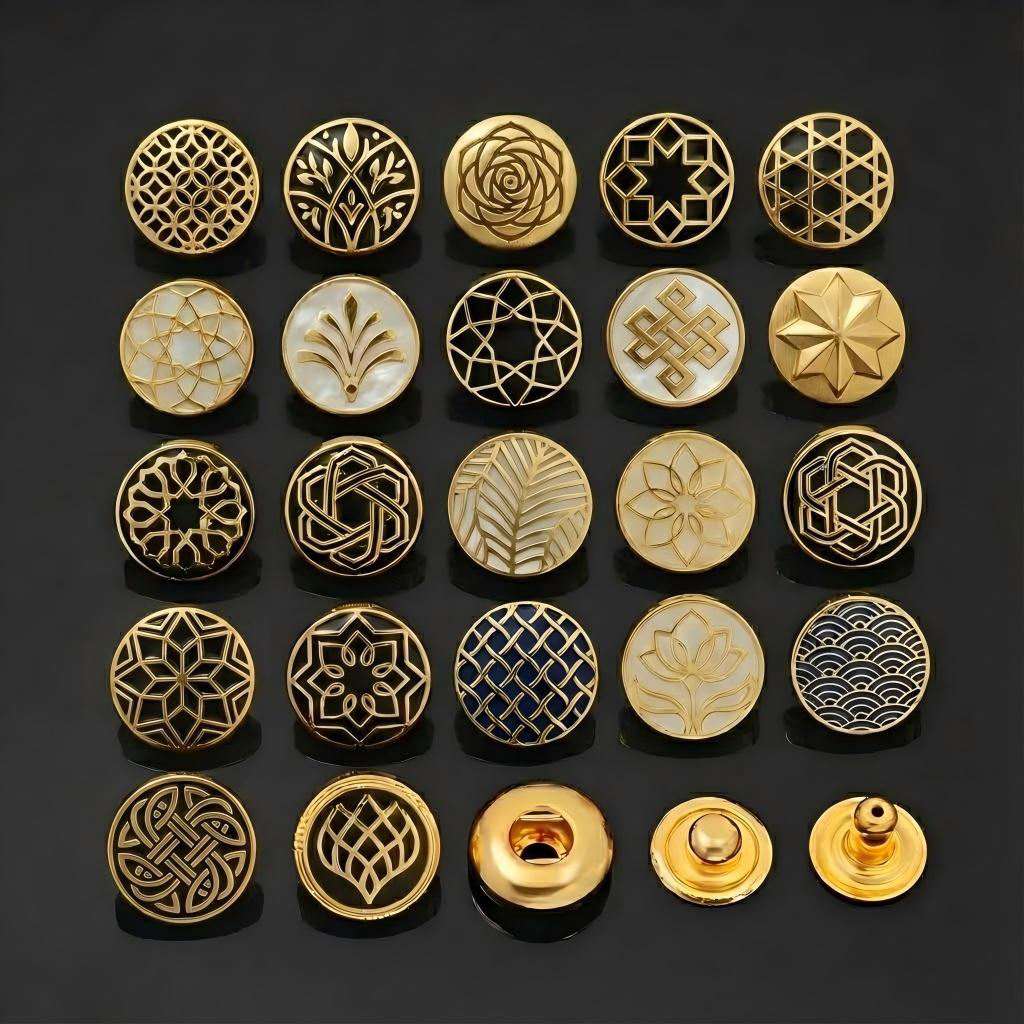
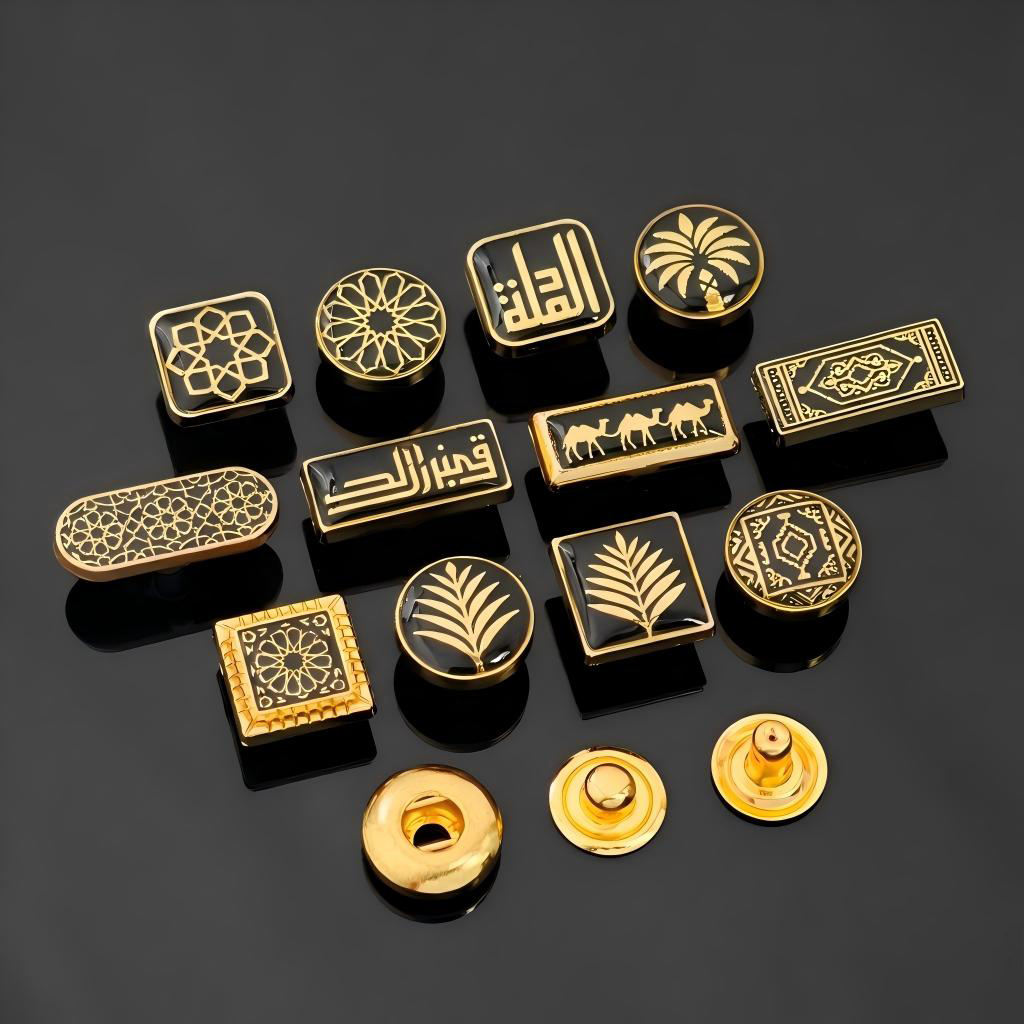
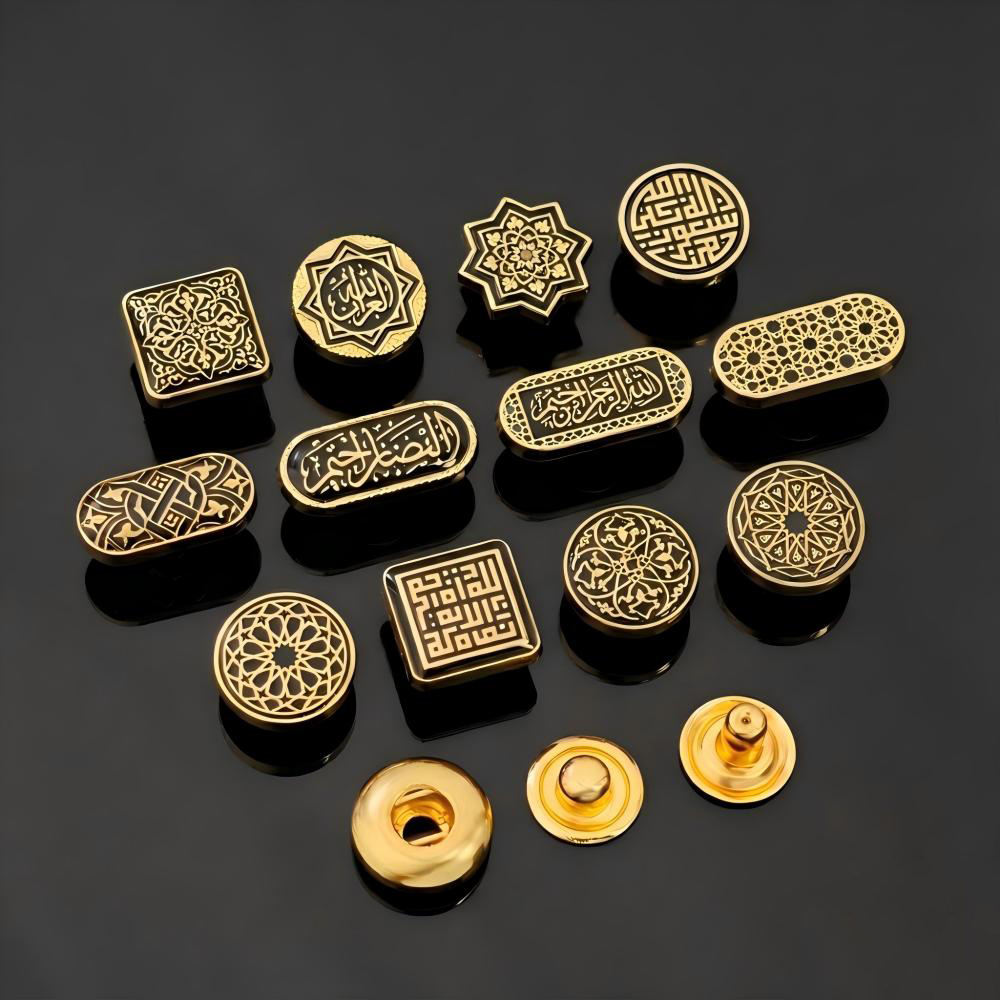

APEX Button Factory 12mm Zinc Alloy Metal Snap Button
APEX 12mm Zinc Alloy Metal Snap Buttons
Add a compact metal fastening detail to your garments with APEX 12mm snap buttons. Featuring a zinc alloy cap and a compatible snap mechanism, these fasteners combine a decorative metal appearance with convenient press-to-close operation.
Suitable applications can include shirts, lightweight jackets, pockets, cuffs, and textile accessories, subject to fabric and attachment testing. Customize the cap finish, logo details, and compatible component configuration to coordinate with your collection.
12mm Cap for Compact Garment Details
The 12mm dimension refers to the visible cap diameter unless otherwise specified in the approved drawing. This compact size can provide a discreet fastening point where a larger button would dominate the design.
Cap diameter alone does not establish the dimensions of the complete assembly. Socket size, stud profile, post length, assembled height, and attachment requirements should also be confirmed.
When replacing an existing snap, compare the full component specifications rather than matching the cap diameter only.
Zinc Alloy Cap and Compatible Components
Zinc alloy can be formed into decorative cap profiles with defined edges, textures, and logo details. The selected alloy, cap construction, and surface treatment influence appearance and performance.
A typical four-part garment snap includes a cap, socket, stud, and post. The functional components may use different metals according to the fastening mechanism. The material specification should identify each relevant component instead of describing the entire set as zinc alloy unless that construction is confirmed.
Caps, sockets, studs, and posts must be supplied as a matched system. Similar-looking components from different snap ranges are not necessarily interchangeable.
Custom Finishes and Logo Details
Coordinate the snap with your garment fabric, zippers, rivets, and other metal trims. Depending on the cap design and finishing process, options can include:
Silver-tone, brass-tone, and copper-tone appearances.
Gunmetal, black, and antique effects.
Polished, matte, or textured surfaces.
Molded raised or recessed logos.
Engraved lettering or other compatible decorative treatments.
The available branding area is limited on a 12mm cap. Simple symbols, initials, and clearly spaced lettering generally offer better definition than intricate artwork.
Finish names describe appearance and do not establish the underlying metal or coating composition. Approve the final color and surface effect using a physical sample when close matching is important.
Fastening Feel and Practical Use
A snap should close positively and open with a force appropriate to its application. The preferred opening feel may differ between a shirt cuff, jacket pocket, and accessory flap.
Opening force depends on the socket-and-stud mechanism and its specification, rather than the cap diameter or decorative material alone. A mechanism that is too firm can place unnecessary stress on lightweight fabric, while an unsuitable loose fit may open during normal handling.
Review the assembled snap on the actual product to confirm convenient operation and suitable retention.
Attachment Matched to Fabric Thickness
Select the attachment components according to the compressed thickness of the fabric, lining, interfacing, and reinforcement layers.
A post that is too short may not form a secure attachment. Excessive length or incorrect setting pressure can distort components, damage the fabric, or affect snap operation.
For thin or stretch fabrics, a suitable reinforcement layer may be needed to distribute the opening force. Hole preparation, where required, should follow the selected snap system’s specifications.
Installation and Tooling Compatibility
Use dies designed for the exact cap profile and component construction. The cap-supporting die should fit the decorative face to help avoid dents, scratches, or deformation during setting.
Before bulk application, confirm:
Component pairing and post length.
Fabric preparation and reinforcement.
Die compatibility and alignment.
Machine settings and forming consistency.
Secure attachment without exposed points or damaged fabric.
Smooth closing and opening after installation.
Matching a die by nominal button size alone is insufficient. A sample trial using the intended production equipment helps establish the correct setup.
Surface Finish and Garment Care
Metal finishes can react differently to laundering, perspiration, abrasion, and garment-processing chemicals. Test samples through the intended care or finishing process before approving production.
Relevant evaluation can include:
Surface appearance and color retention.
Corrosion or staining under agreed conditions.
Coating wear and logo readability.
Snap operation after repeated fastening.
Attachment strength after laundering.
Transfer of marks or discoloration to adjacent fabric.
Specific restricted-substance, coating, or corrosion-resistance requirements should be identified during quotation. Any supporting documentation should correspond to the supplied materials and finish.
Sample Approval and Order Consistency
Before bulk production, approve the cap diameter, profile, component materials, finish, logo, mechanism, post length, and packing configuration.
Quality review can include dimensional consistency, surface condition, component fit, opening force, and attachment performance on the intended garment. For repeat orders, retain the approved item reference and confirm any changes to fabric thickness, tooling, or care requirements.
Request a Quotation
Send your reference image or sample, finish preference, logo artwork, garment type, compressed fabric thickness, and quantity. Include any required opening force, testing criteria, and existing tooling information so suitable components can be reviewed.
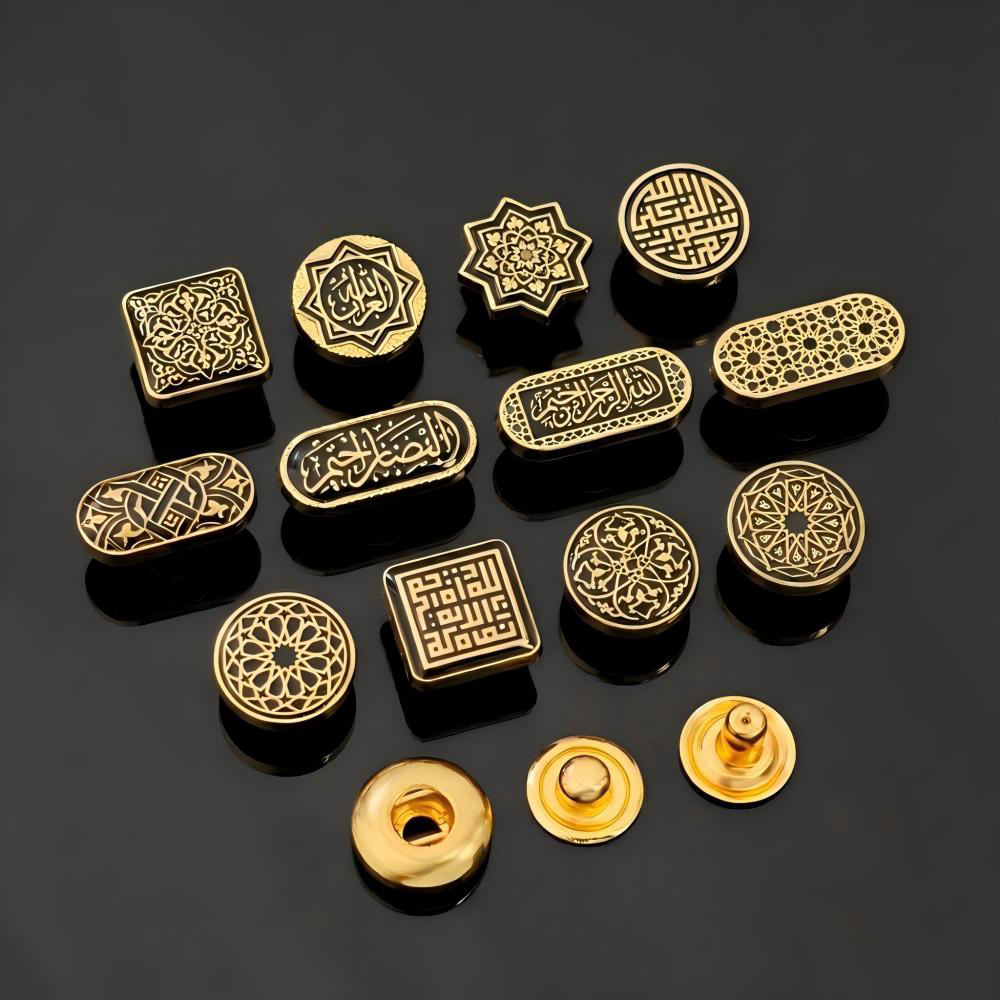
APEX 12mm metal snap buttons are packed according to their finish, component configuration, and order quantity. Packing helps reduce surface rubbing and keeps matched parts clearly identified for production.
Options can include:
Counted component packs: Caps, sockets, studs, and posts packed in agreed quantities.
Complete-set quantities: Matching components supplied in the correct ratio for the ordered sets.
Separate specification packing: Different finishes, logos, post lengths, and mechanism types packed separately.
Surface protection: Suitable bags, dividers, or other protective materials for decorative caps.
Inner-pack identification: Component names, item codes, quantities, and agreed batch details.
Outer carton markings: Order references, finish descriptions, quantities, and shipping information.
The quotation and packing list should state whether quantities refer to individual parts or complete snap sets. For a four-part construction, one set normally includes one cap, one socket, one stud, and one post, subject to the approved design.
Final packing quantities, carton dimensions, net weight, and gross weight are confirmed after approval. Store components in clean, dry conditions away from moisture and corrosive chemicals. Keep matched components identified to prevent mixing during installation.