
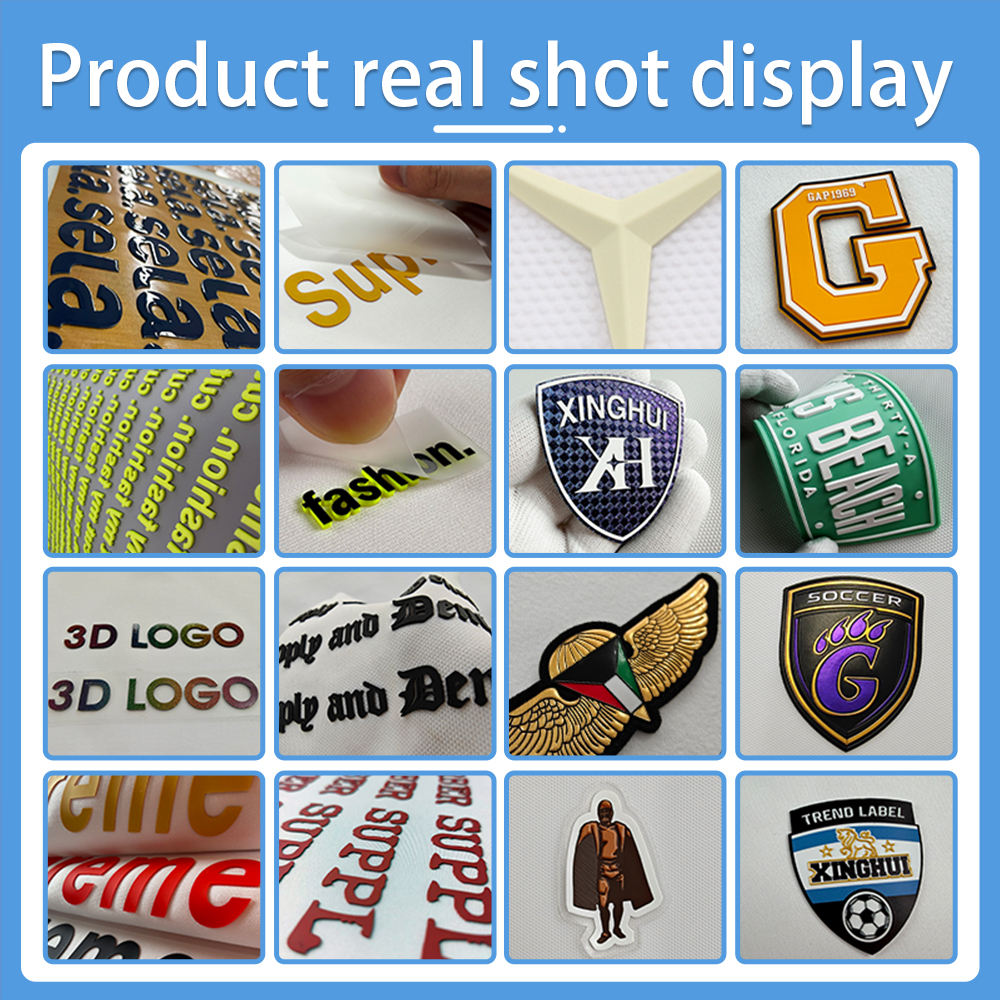

3D Screen Printed Silicone Lettering Heat Transfer Label
Custom 3D Screen-Printed Silicone Lettering Heat Transfer Labels
Give your brand name a distinctive raised finish with custom screen-printed silicone lettering. Designed for heat application to compatible fabrics, these labels combine dimensional detail, a soft-touch surface, and flexible construction for clothing and textile accessories.
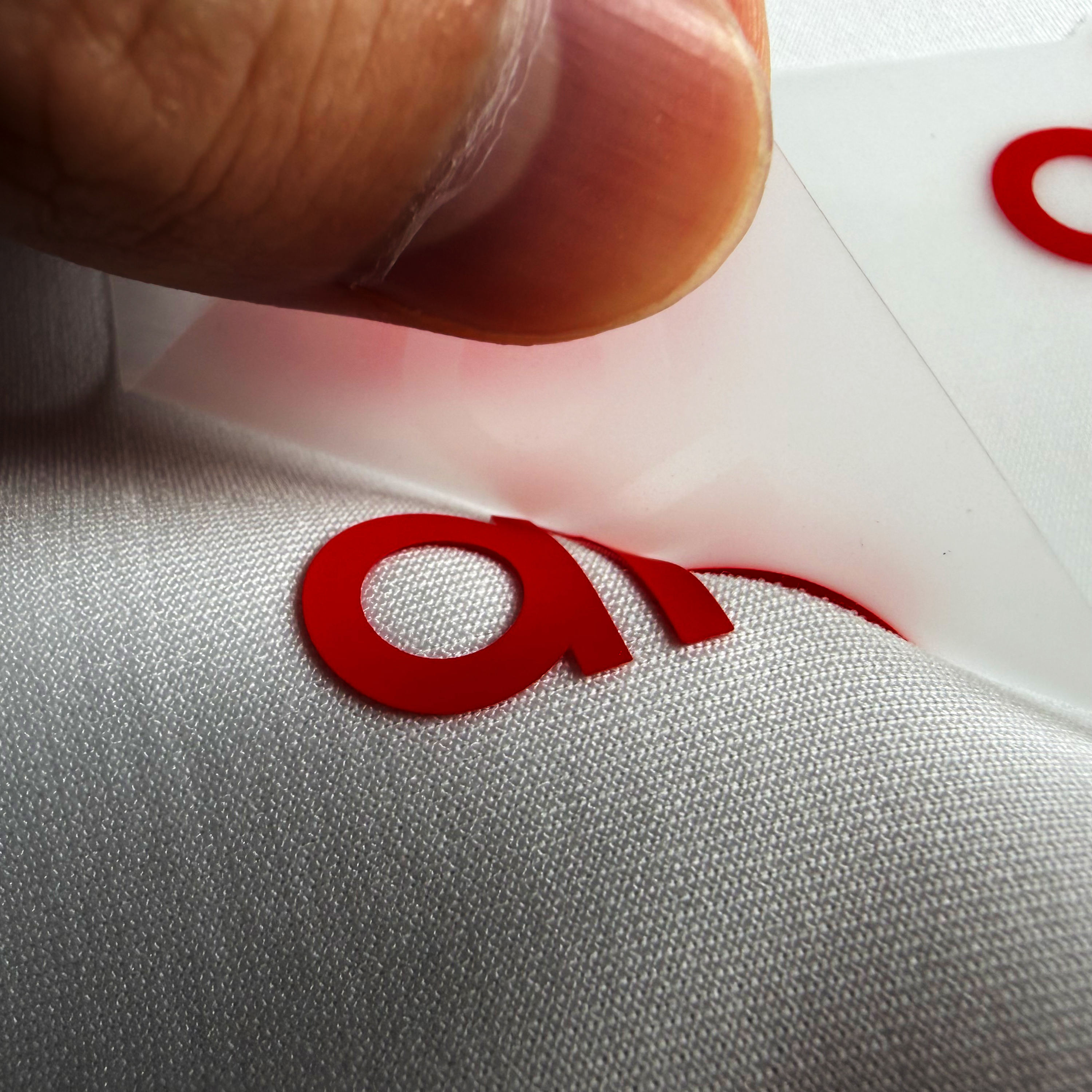
Unlike a conventional sewn label, the lettering transfers from a temporary carrier onto the garment, creating a clean presentation without a stitched border. From compact chest logos to larger statement lettering, the design can be developed around your typography, garment placement, and intended use.
Screen-Printed Construction with Raised Definition
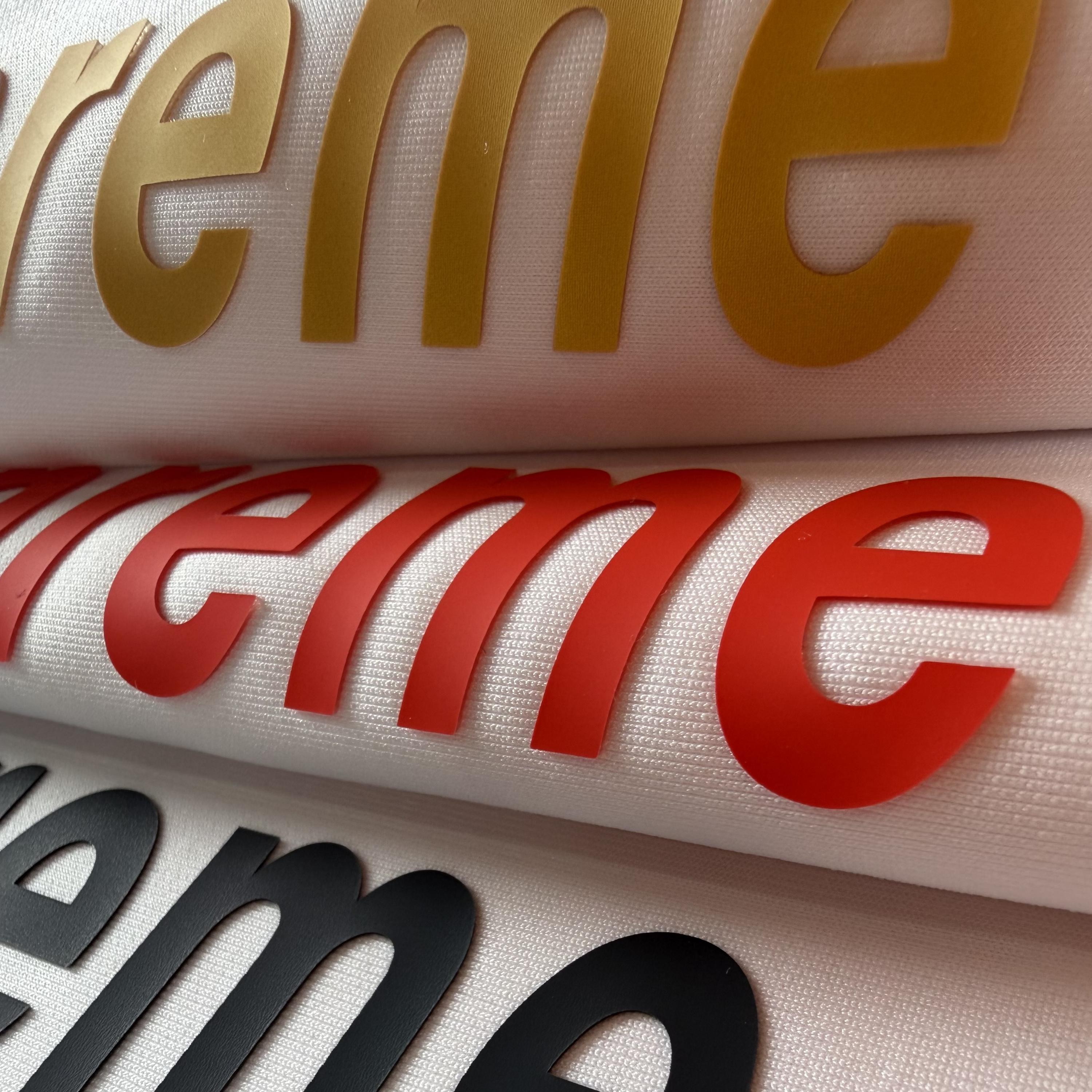
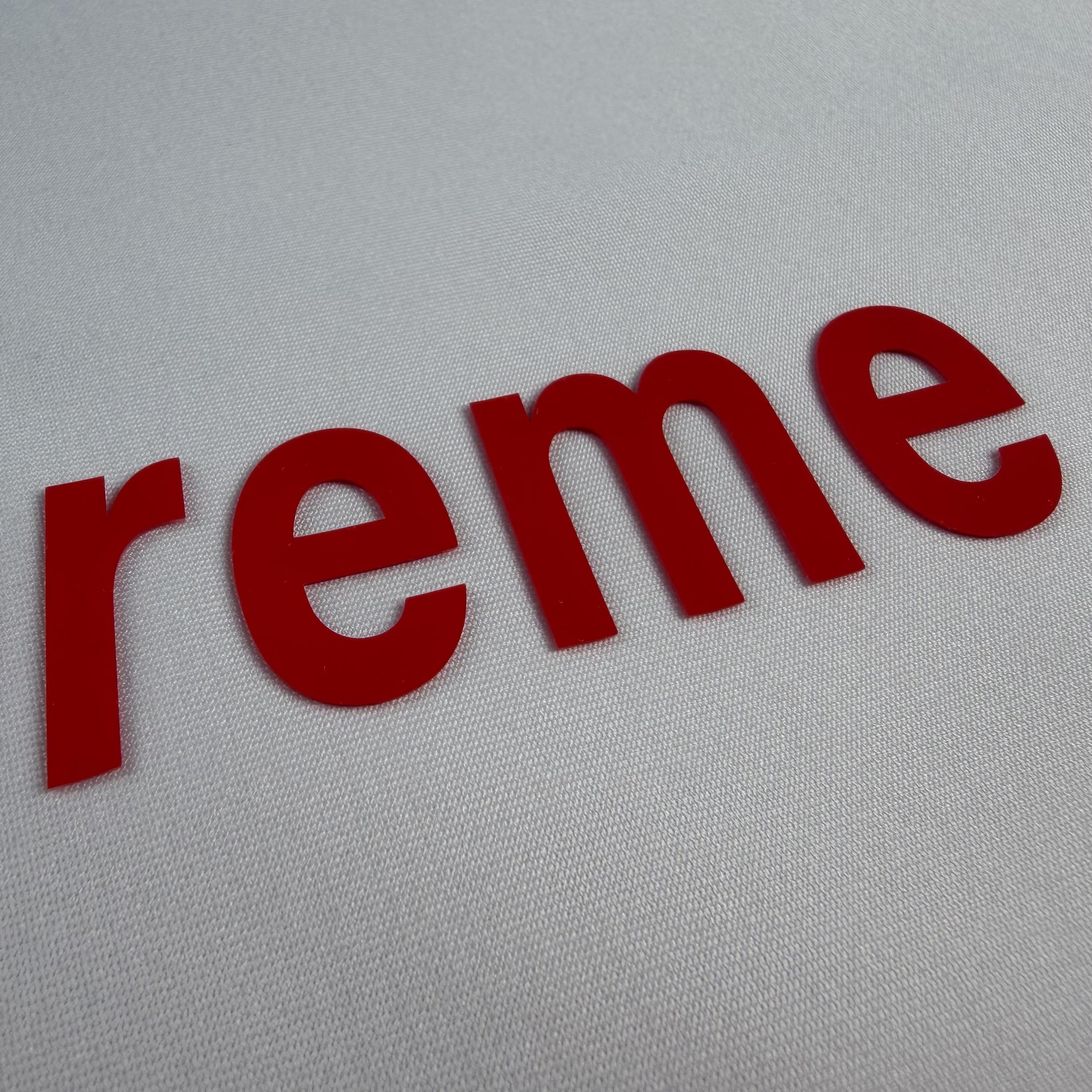
The dimensional effect is created by building up silicone through controlled screen-printing layers. This process produces raised lettering and graphic elements, with the achievable height and definition depending on the artwork, material system, and printing specifications.
Screen-printed silicone lettering is different from a molded silicone patch. Its appearance is shaped by the printed layers rather than a mold cavity, making artwork preparation and layer alignment particularly important.
Bold lettering and clearly separated design elements generally provide stronger definition. Fine strokes, small enclosed spaces, and tightly spaced characters should be reviewed during development to help prevent lost detail or merged edges.
Custom Typography, Logos, and Dimensions
Personalize the transfer with your brand name, initials, slogan, logo, or selected graphic elements. Customization options can include:
Overall design width and height.
Letter size, spacing, and layout.
Raised print thickness within the available production range.
Single-color or multicolor artwork.
Surface appearance and color references.
Carrier layout for accurate garment positioning.
Separated letters can be arranged on a shared carrier to maintain their spacing during application. Once transferred and peeled according to the specified process, the lettering remains in position without the temporary carrier.
Vector artwork is preferred where available. Fonts should be converted to outlines so the approved letterforms are preserved throughout production.
Soft Feel and Flexible Branding
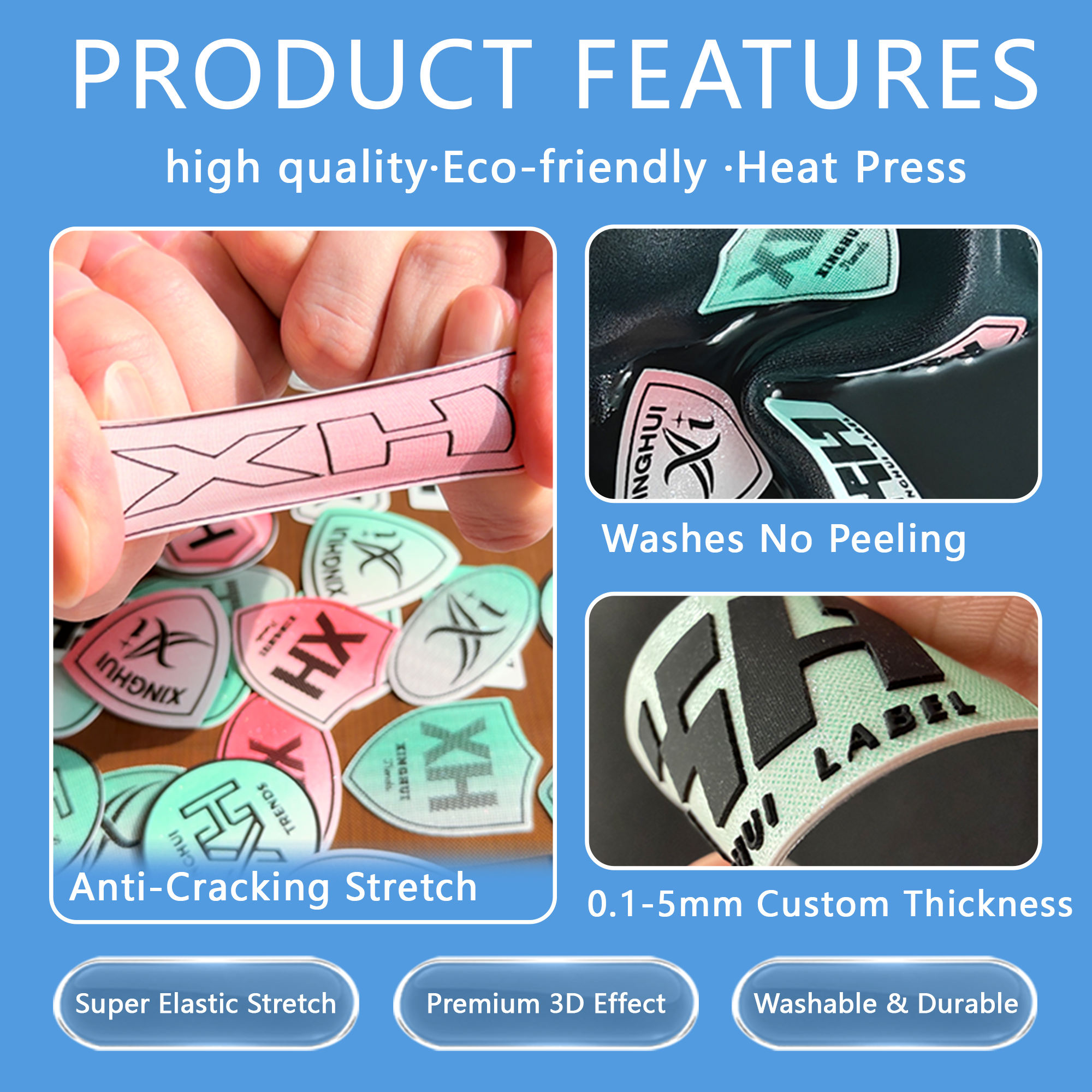
Silicone lettering offers a tactile alternative to flat printed branding. Its raised surface adds visual depth, while a suitable formulation can provide flexibility for garment applications.
The finished feel depends on print height, design coverage, adhesive construction, and the underlying fabric. Larger solid areas or thicker lettering can change how a garment bends and stretches, so these details should be evaluated on the intended product.
For stretch garments, both the silicone layer and its bond to the fabric need to accommodate the expected movement. Flexibility should be confirmed through application testing rather than assumed from the material name alone.
Color and Surface Appearance
Choose colors that complement your garment or create a contrasting brand accent. Pantone references can help communicate target shades, with the final appearance reviewed through physical samples.
Matte or other available surface effects can be discussed according to the silicone system. Multicolor designs require appropriate spacing and registration to maintain clean boundaries between printed areas.
For dark, heavily dyed, or sublimated polyester fabrics, evaluate the risk of dye migration during heat application and subsequent storage. Where necessary, a suitable migration-control construction can be assessed.
Heat Application and Fabric Compatibility
The transfer uses a compatible heat-activated adhesive system to bond the printed design to the garment. Suitability depends on the fabric composition, surface finish, heat tolerance, and intended care conditions.
Cotton, polyester, blends, and stretch fabrics may require different transfer constructions or application settings. Water-repellent coatings, silicone finishes, textured surfaces, and other fabric treatments can affect adhesion.
Before bulk application, confirm:
Press temperature, dwell time, and pressure.
Hot, warm, or cold peeling requirements.
Any specified pre-pressing or finishing step.
The required waiting period before washing or testing.
Whether the garment can tolerate the application conditions.
Application settings should follow the approved product specification. A universal temperature or pressing time should not be used across different transfer and fabric combinations.
Applications for Clothing and Accessories
These transfers can be developed for compatible sportswear, athleisure, hoodies, T-shirts, jackets, and textile accessories. Common placements include chest logos, sleeve lettering, back-neck branding, and selected outer panels.
Placement should avoid seams, zippers, or uneven areas that prevent consistent heat and pressure. For larger designs, review the available press area and the garment’s movement during wear.
Sample Approval and Quality Review
A finished sample applied to the actual garment provides the most useful reference for approval. Review the lettering dimensions, raised profile, color, spacing, and overall appearance before confirming bulk production.
Relevant checks can include:
Edge definition and alignment of printed layers.
Consistency of the raised lettering.
Clean carrier release under the specified conditions.
Adhesion, including resistance to edge lifting.
Appearance after agreed washing and drying cycles.
Stretch and recovery performance where applicable.
Dye migration or garment marking after application.
Washability and durability should be assessed using agreed test conditions that reflect the garment’s care instructions. Any testing or restricted-substance documentation requirements should be identified during quotation.
Request a Custom Quotation
Send your vector artwork or reference image, required dimensions, color references, quantity, and preferred raised effect. Include the fabric composition, garment color, placement, washing requirements, and available application equipment.
These details help us review the lettering design, transfer construction, sampling requirements, and quotation accurately.
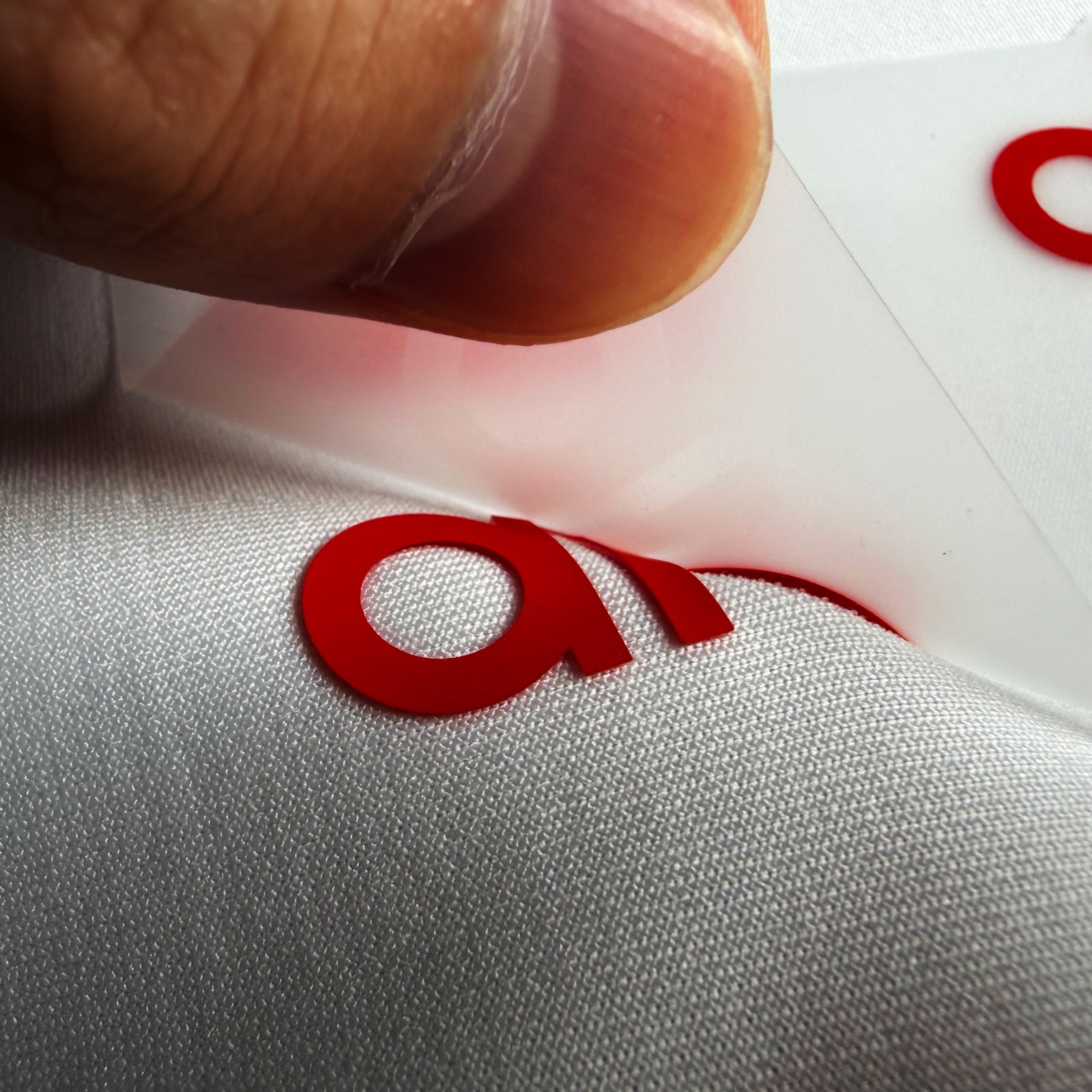
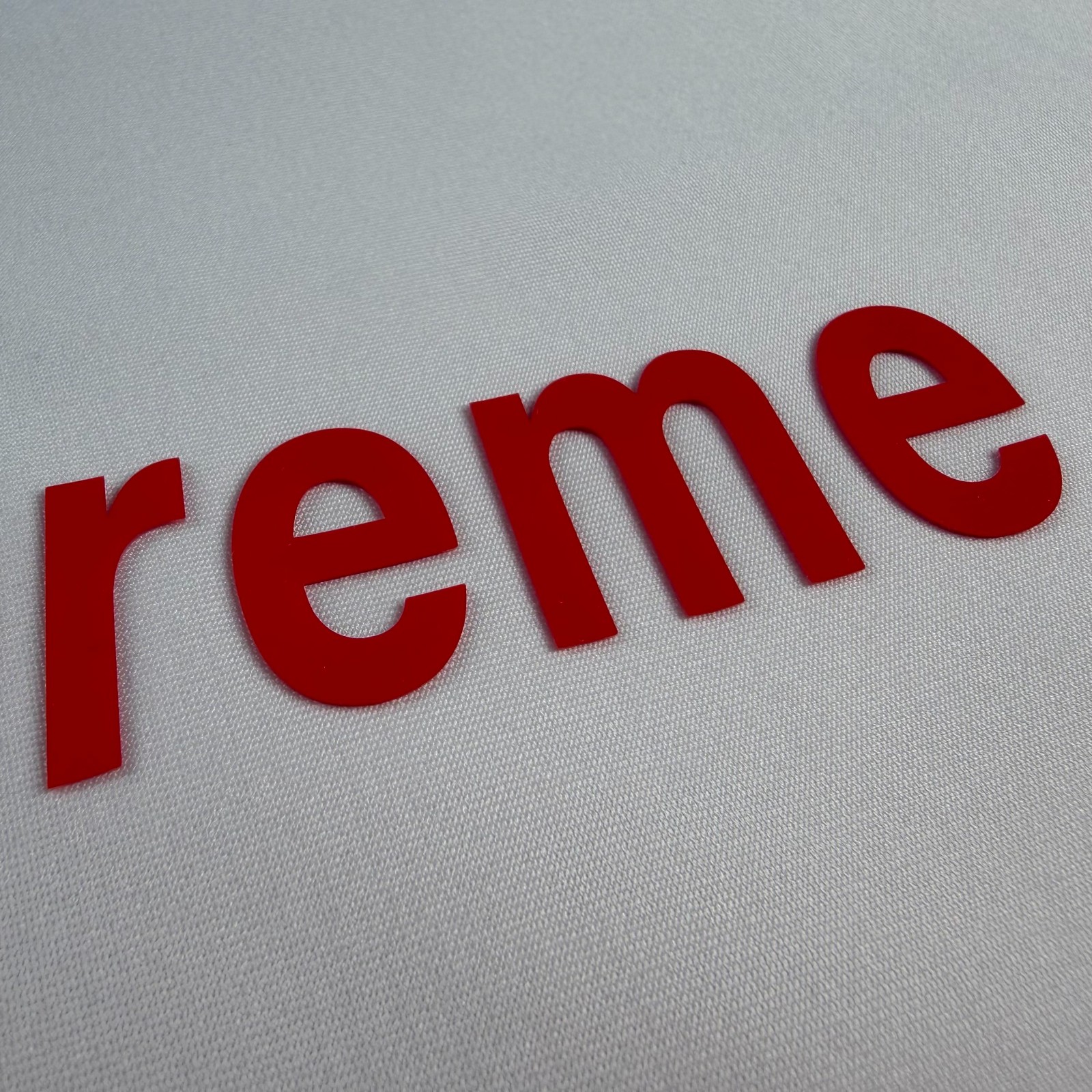
Silicone lettering heat transfers are supplied on suitable release carriers to keep individual characters and graphic elements correctly positioned before application. Transfers can be arranged as individual pieces or in an agreed sheet layout, depending on the design and production requirements.
Packing options can include:
Counted inner packs: Transfers grouped in agreed quantities for production-line use.
Separate design packing: Different artwork versions, dimensions, colors, and garment sizes packed separately.
Protective separation: Suitable interleaving or protection where needed to reduce sticking, rubbing, or pressure marks.
Flat protective packing: Helps prevent bending and excessive compression of the carrier and raised lettering.
Pack identification: Labels showing item references, quantities, and agreed batch details.
Application instructions can accompany the order, including the approved pressing and peeling requirements. Clearly identified packs help operators match each transfer to the correct garment and application specification.
Final packing quantities, carton dimensions, net weight, and gross weight are confirmed after the product and packing arrangement are approved.
Store transfers flat in their original protective packaging, away from direct sunlight, excessive heat, moisture, and heavy pressure. Recommended storage conditions and shelf life should follow the selected silicone, adhesive, and carrier system.