
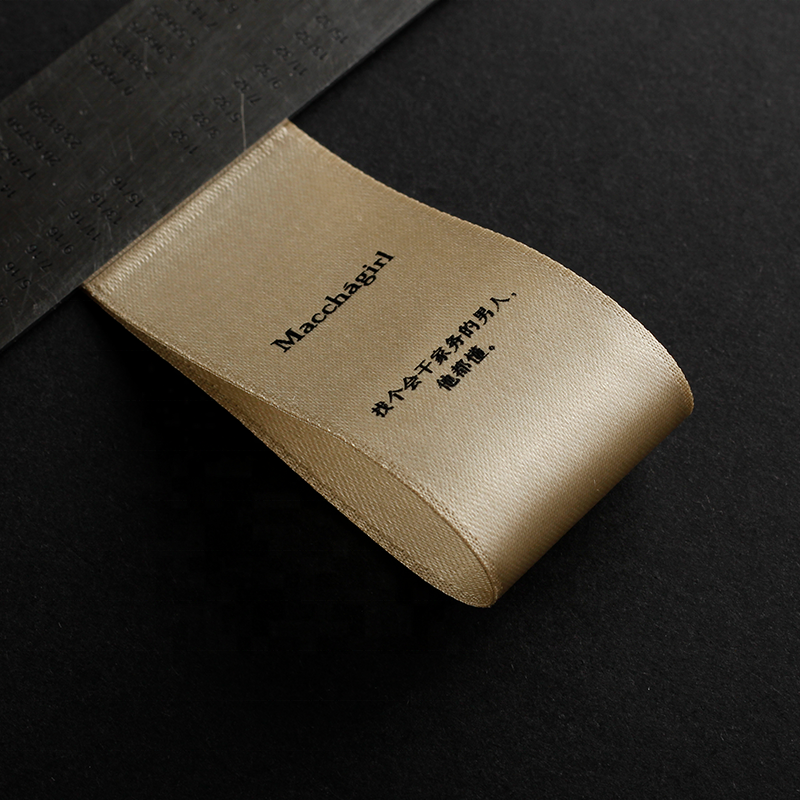
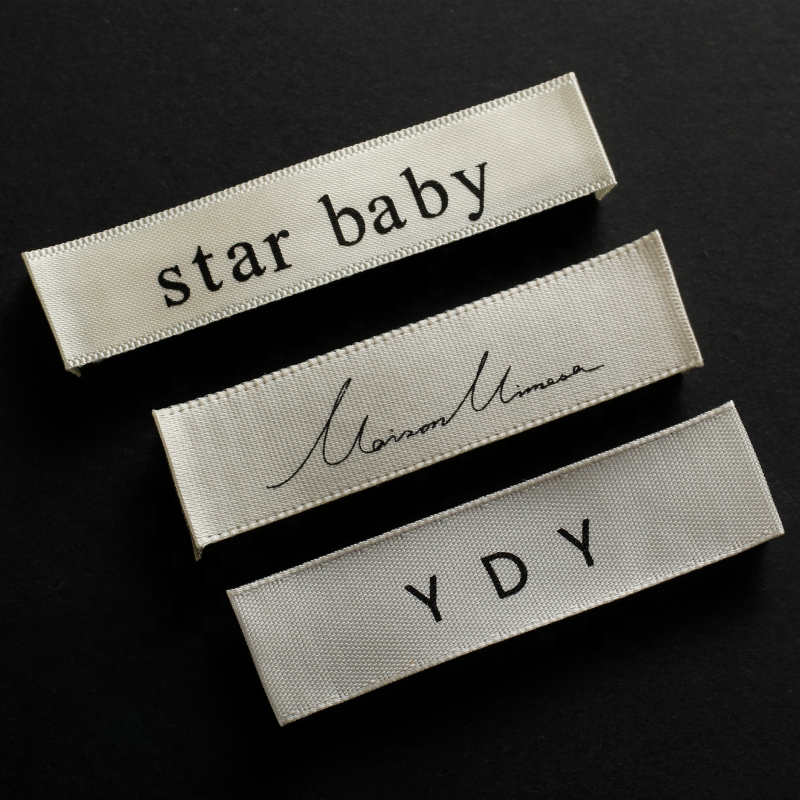
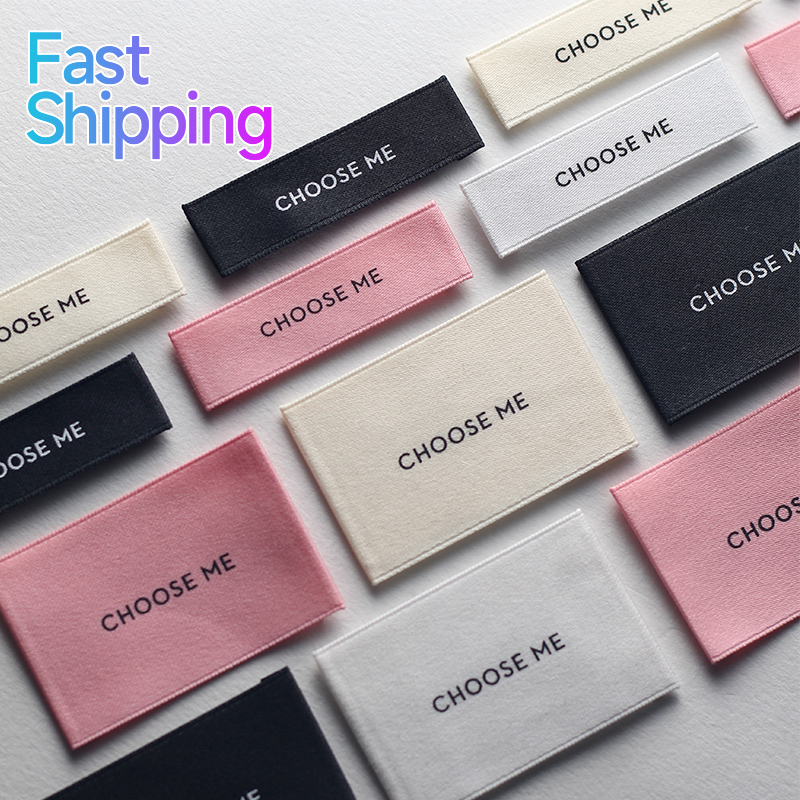

Factory Price Custom Clothing Own logo Brand Name Tag
Custom Clothing Brand Labels with Your Logo
Make your brand part of every garment with custom clothing labels featuring your own logo and brand name. Designed for fashion brands, private-label collections, garment manufacturers, and independent designers, these labels give your products a recognizable identity and a consistent finishing detail.
From a discreet neck label to a visible side-seam logo, customize the material, dimensions, colors, artwork, and folding style to suit your collection. Suitable options can be reviewed for shirts, dresses, knitwear, denim, outerwear, underwear, and textile accessories.
Label Constructions to Match Your Design
Choose a construction that supports your artwork, preferred feel, and garment application:
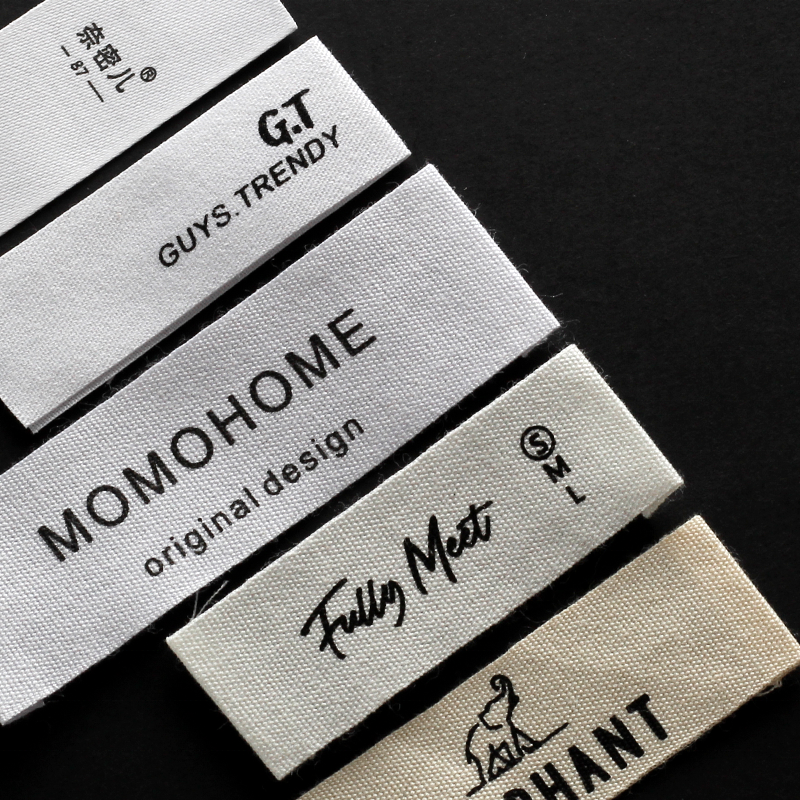
Woven brand labels: Logos and lettering are formed with yarns, creating an integrated textile design.
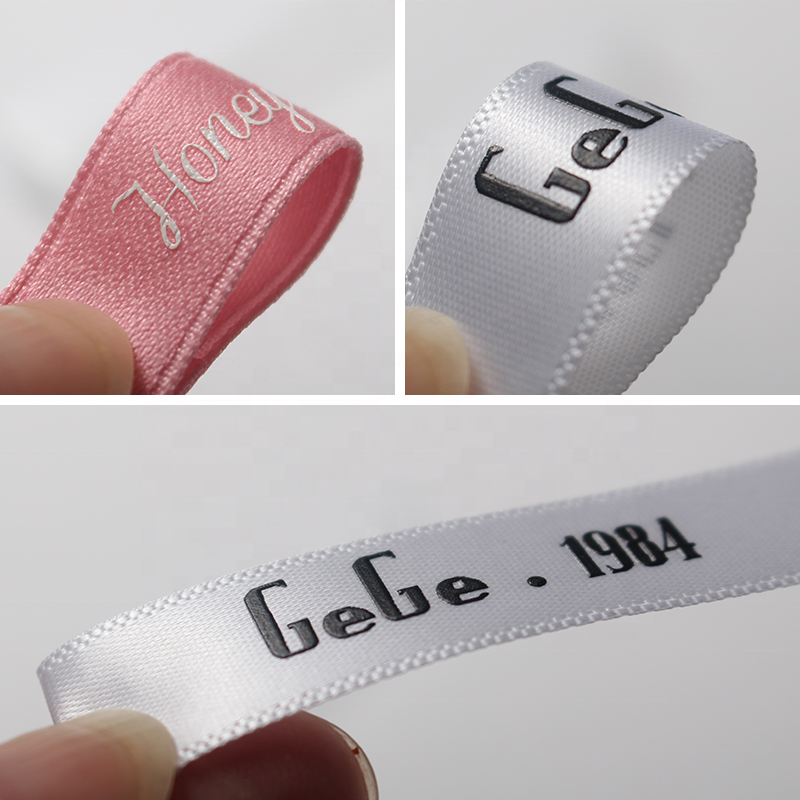
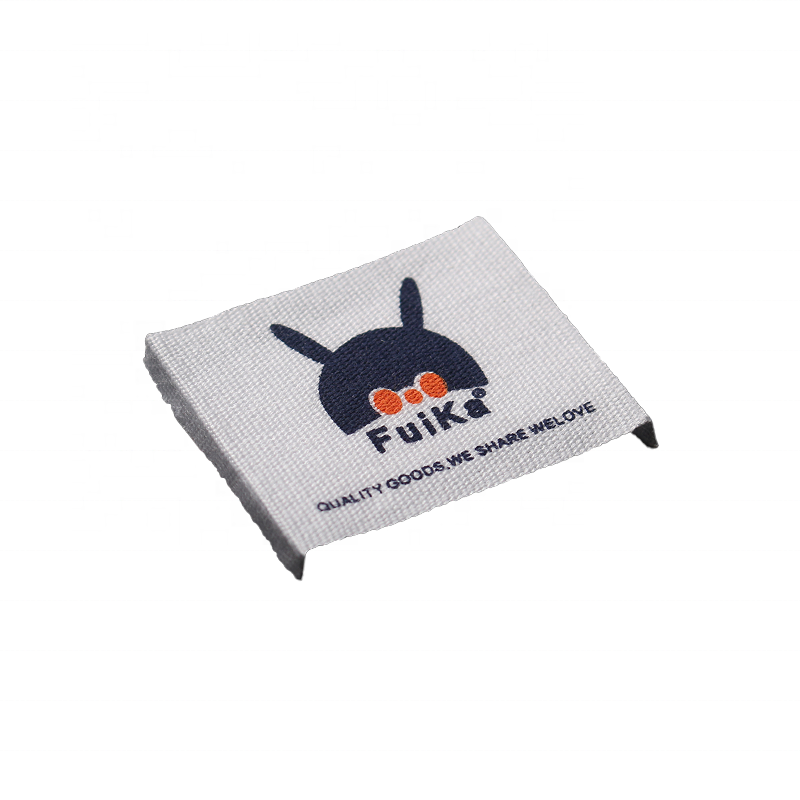
Printed fabric labels: Artwork is printed onto suitable cotton, satin, or other textile tapes, providing flexibility for brand graphics and information layouts.
Heat transfer brand labels: Designs are applied to compatible fabrics using heat and pressure, creating a tagless presentation without a separate sewn fabric label.
These options differ in appearance, detail reproduction, application method, and cost. The most suitable choice depends on your logo, label size, garment material, and care requirements.
Your Brand Name, Logo, and Signature Details
Personalize your labels with a brand name, monogram, symbol, collection title, or short message. Size markings or other approved information can also be included where the layout allows.
Customization can include:
Logo dimensions and placement.
Lettering style and spacing.
Background and design colors.
Borders and selected decorative details.
Front-and-back layouts for suitable constructions.
Coordinated versions for different garment styles.
Vector artwork with fonts converted to outlines is preferred for logos and text. Fine lines, small characters, and complex graphics should be reviewed at the actual label size to preserve clarity.
Materials, Texture, and Garment Comfort
Label material influences softness, thickness, surface texture, and the way the label sits inside a garment. Options can be discussed according to the selected woven, printed, or transfer construction.
For sewn labels, assess the base fabric, edges, folds, and stitching together. A soft material can still feel uncomfortable if the label is too stiff, poorly positioned, or finished with bulky corners.
For heat transfer versions, evaluate the finished feel and flexibility on the actual fabric. Larger solid designs may affect garment drape or stretch differently from small lettering.
Custom Sizes, Folds, and Placement
Develop a label format that fits your garment rather than adjusting the garment around a standard label. Common placements include necklines, waistbands, inner seams, hems, and external branding areas.
Sewn-label formats can include straight-cut, end-fold, center-fold, and other suitable folded constructions. Specify both the total cut dimensions and the finished visible area so artwork remains clear of folds and stitching.
Heat transfer versions require a compatible application area with consistent heat and pressure. Thick seams, coated fabrics, and heat-sensitive materials may require additional evaluation.
Coordinated Branding Across Your Collection
Maintain a recognizable identity across different products with related label designs. A collection may use a main brand label, a compact side-seam label, and a separate size label, each adapted to its placement.
Colors should be approved on the chosen material. Woven yarn, printed cotton tape, and transfer ink can reproduce the same reference color differently because of their texture, gloss, and production process.
For multiple versions, assign a distinct item reference to each design, size, or information layout. This helps support accurate ordering, packing, and garment assembly.
Pricing Based on Clear Specifications
Custom-label pricing depends on the construction, dimensions, artwork complexity, colors, order quantity, folds, and packing requirements. Sampling or setup charges may also apply according to the production method.
For a useful quotation, provide the quantity required for each version rather than only the combined total. Shared materials, dimensions, and layouts may simplify production where suitable, but different designs or application requirements can affect pricing.
Minimum order quantities, sample arrangements, production schedules, and delivery costs are confirmed for the specific order.
Sample Approval and Quality Review
An approved sample establishes the reference for your brand presentation. Before bulk production, review:
Logo accuracy and text readability.
Dimensions, folds, and sewing allowances.
Material texture and surface appearance.
Color references and design alignment.
Edge condition and attachment method.
Comfort and appearance on the garment.
Care testing should reflect the intended washing, drying, ironing, or professional-cleaning process. Relevant checks can include fading, fraying, shrinkage, print deterioration, or transfer edge lifting, depending on the construction.
For repeat orders, identify any changes to artwork, materials, garment placement, or care requirements before production.
Request a Custom Quotation
Send your logo, preferred label type, dimensions, colors, fold style, quantity per version, and garment application. Include care requirements and delivery details so suitable specifications, sampling options, and pricing can be reviewed.
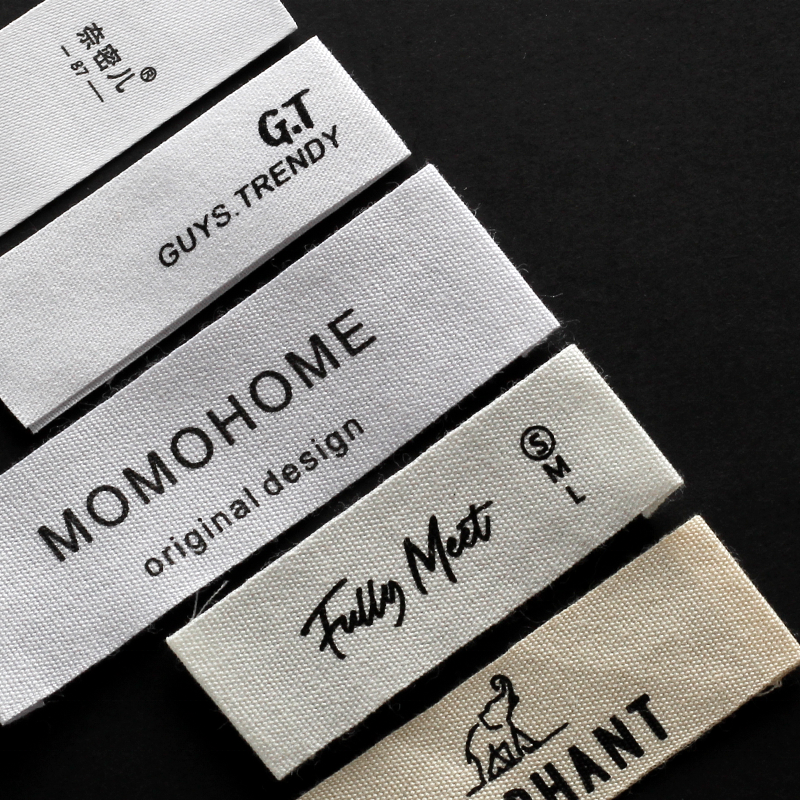
Custom clothing brand labels are packed according to their construction, dimensions, folds, and order quantity. The supply format can be selected to support your sewing or heat-application process.
Packing options can include:
Counted inner packs: Cut or folded labels grouped in agreed quantities.
Roll supply: Suitable continuous label formats with agreed repeat spacing and orientation.
Transfer sheets or individual carriers: Used for compatible heat transfer versions.
Separate version packing: Different logos, colors, sizes, and artwork references packed separately.
Protective packing: Helps keep labels clean and reduces bending, rubbing, or deformation.
Carton identification: Item references, quantities, and agreed batch information.
The packing list should distinguish individual labels, sheets, rolls, and complete label sets. For transfer sheets, specify the number of usable transfers per sheet.
Final packing quantities, carton dimensions, net weight, and gross weight are confirmed after approval. Store labels in clean, dry conditions away from direct sunlight, contamination, and excessive heat. Heat transfer versions should follow the specified storage conditions and shelf life.