


Industrial Factory Workwear Flame Retardant Woven Label
Custom Flame-Retardant Woven Labels for Industrial Workwear
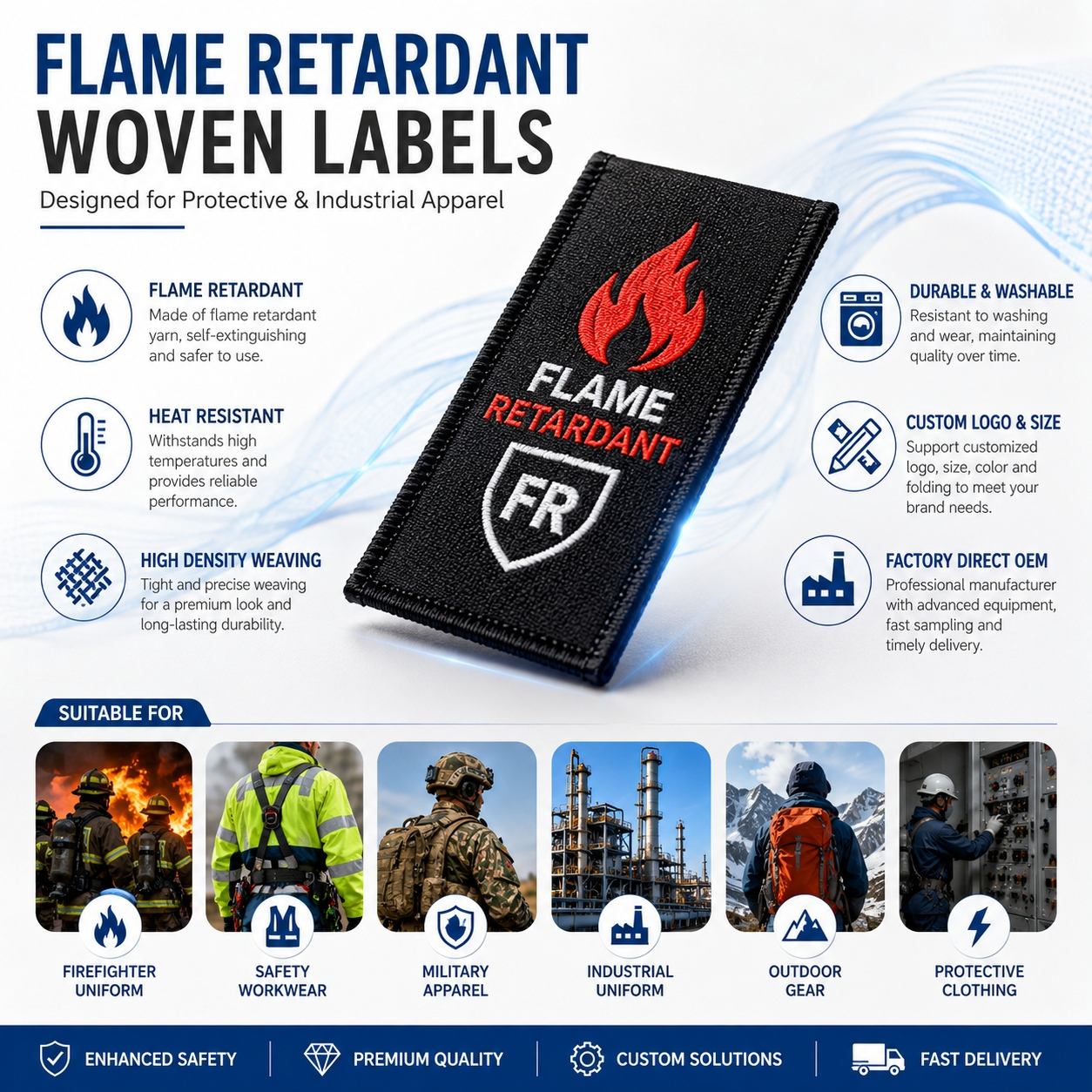
Give industrial workwear clear, lasting identification with woven labels developed around the garment’s flame-resistance requirements. Suitable for branding and product identification on compatible protective clothing, these labels combine woven text and graphics with construction specifications selected for the intended application.
Customize brand names, size markings, product references, and approved information for work jackets, coveralls, trousers, and uniforms. Yarn selection, label dimensions, folding, and attachment should be considered together with the garment materials and performance requirements.
Material Selection for Protective Clothing
Labels used on flame-resistant workwear require more than the correct appearance. Yarn composition, backing, edge treatment, and sewing materials can affect how the finished label behaves when exposed to heat or flame.
Depending on the project, inherently flame-resistant yarns or suitably treated materials may be considered. The selected construction must be assessed against the customer’s requirements, including any restrictions on melting, dripping, afterflame, or other relevant behavior.
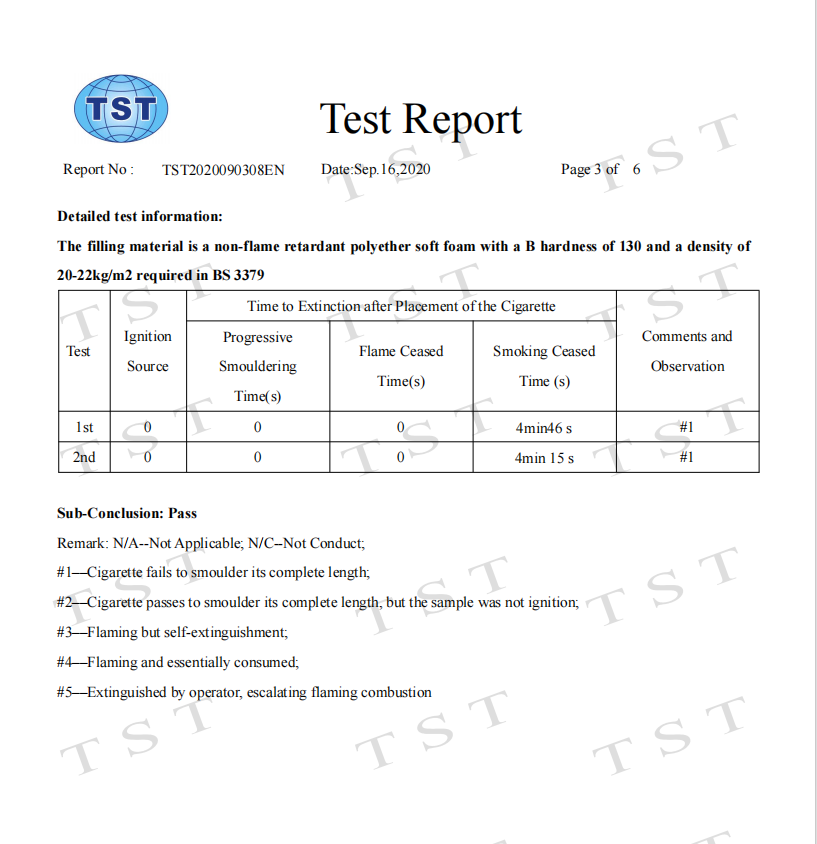
A material specification or yarn test alone does not establish the performance of every finished label construction. Required documentation and testing should correspond to the supplied product and its intended use.
Woven Branding and Readable Information
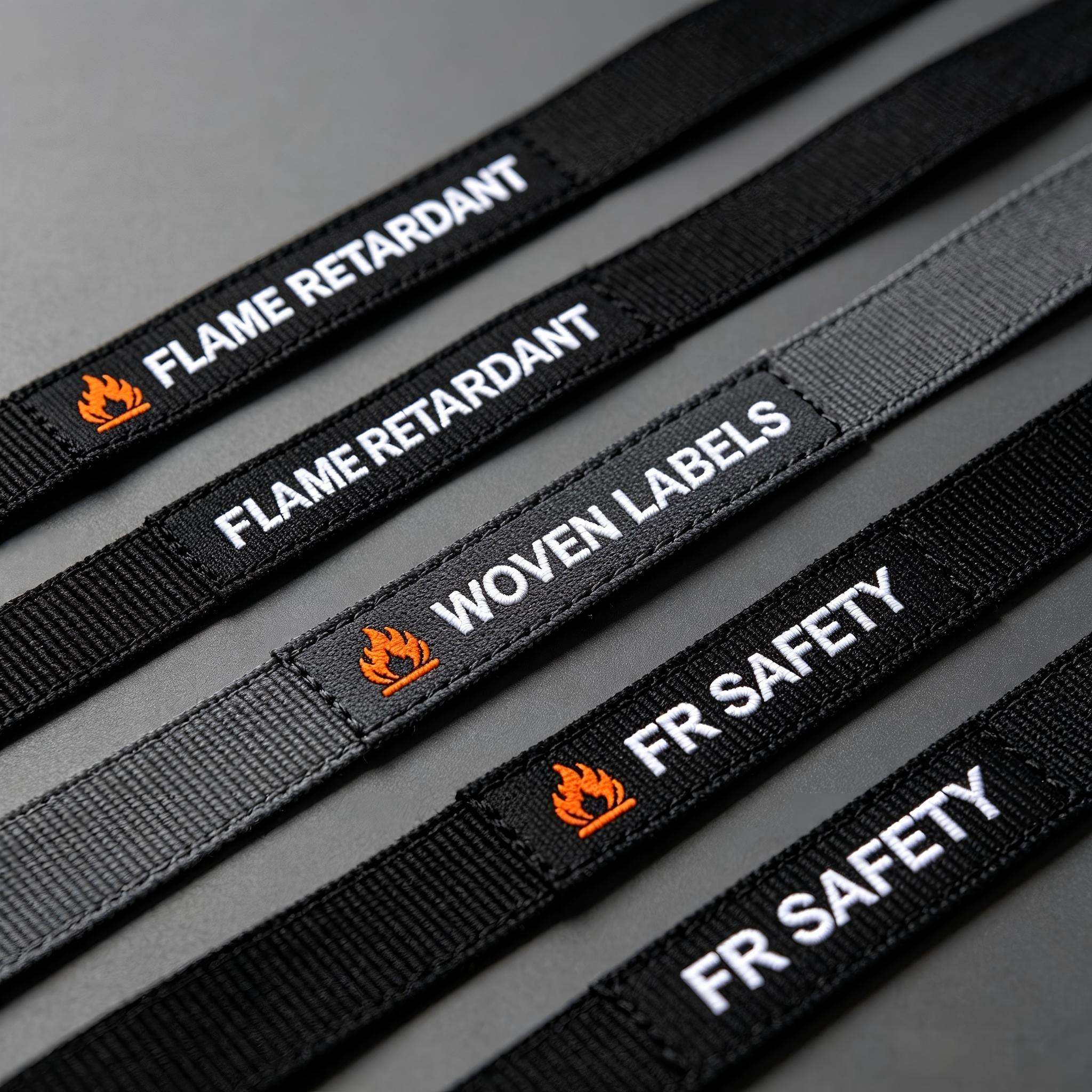
Woven labels form lettering and graphics through interlaced yarns rather than surface printing. This creates an integrated design with a recognizable textile texture.
Customization can include:
Company names and brand logos.
Alphabetical or numerical size markings.
Product styles and model references.
Approved identification text and symbols.
Contrasting backgrounds, borders, and lettering.
Weave density, yarn thickness, and label dimensions influence detail reproduction. Small lettering and complex symbols should be reviewed at actual size to maintain readability. Longer instructions may require a separate information label with a suitable construction.
Sizes, Folds, and Attachment Options
Choose dimensions and folding styles that suit the garment layout. Options can include straight-cut, end-fold, center-fold, or other constructions where compatible with the selected materials.
Allowances for stitching should keep important text away from seams and folded edges. Placement also affects comfort and exposure: a neck label, waistband label, and exterior brand label may need different dimensions and finishing details.
Edge-finishing methods should be selected for the yarn system. Conventional heat cutting is not suitable for every flame-resistant material. Any backing, adhesive, or sewing thread must also be reviewed for compatibility with the garment requirements.
Durability Under the Intended Care Process
Industrial garments may undergo frequent laundering and demanding handling. Label specifications should reflect the actual cleaning process, including wash temperature, detergent, drying conditions, and any commercial laundry procedures.
Evaluation can include:
Readability after agreed laundering cycles.
Dimensional stability and resistance to fraying.
Colorfastness and appearance.
Stitching and attachment integrity.
Retention of required flame-resistance performance after specified pretreatment.
Domestic washing and industrial laundering are not interchangeable test conditions. The intended care process and acceptance criteria should be agreed before production.
Performance Claims and Approved Markings
A flame-retardant label does not make a garment flame-resistant or establish certification for the finished clothing. The complete garment must meet its applicable requirements independently.
Protective-clothing symbols, certification marks, and performance levels should only be woven into the label when the customer has confirmed the wording, authorization, and supporting documentation. General flame resistance also does not establish suitability for arc flash, welding, firefighting, or every other thermal hazard.
Sample Approval and Order Consistency
Before bulk production, confirm the yarn specification, weave, dimensions, colors, artwork, folds, edge finish, and attachment method against an approved sample.
Where traceability is required, agree on item references, material records, and batch identification at the quotation stage. Changes to yarns, treatments, backing, or finishing should be reviewed before repeat production because they may affect the approved performance.
Request a Custom Quotation
Send your artwork, label dimensions, quantity, preferred fold, garment application, and care requirements. Include the required performance standard, test method, acceptance criteria, and documentation needs so material suitability and sampling arrangements can be reviewed accurately.
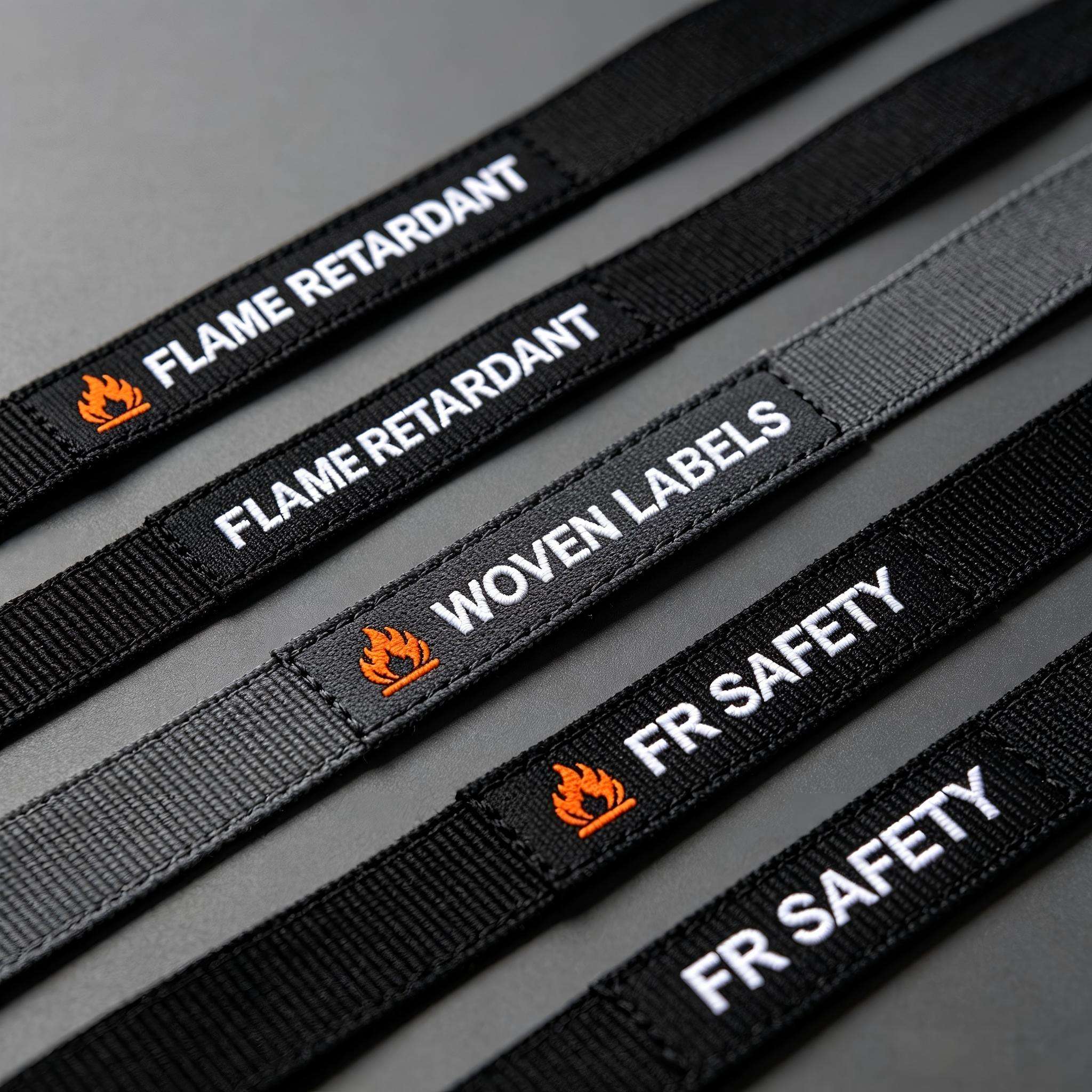
Woven labels are packed according to their dimensions, folding style, and order quantity. Protective inner packaging helps keep labels clean and organized before garment assembly.
Packing options can include:
Counted bundles or inner packs: Agreed quantities for receiving and production-line use.
Separate specification packing: Different sizes, artwork versions, materials, and folds packed separately.
Shape protection: Suitable packing to reduce distortion of folded labels.
Batch identification: Item references and agreed production-batch details on inner packs or cartons.
Supporting documents: Packing lists and agreed material or test documentation, where applicable.
Packaging should help prevent mixing with ordinary labels or other constructions that have different performance specifications. If multiple approved versions are ordered, each should be clearly identified.
Final quantities per carton, carton dimensions, net weight, and gross weight are confirmed after specifications are approved. Store labels in clean, dry conditions away from contamination, direct sunlight, and unsuitable chemicals. Any additional storage requirements should follow the selected material or treatment specifications.