
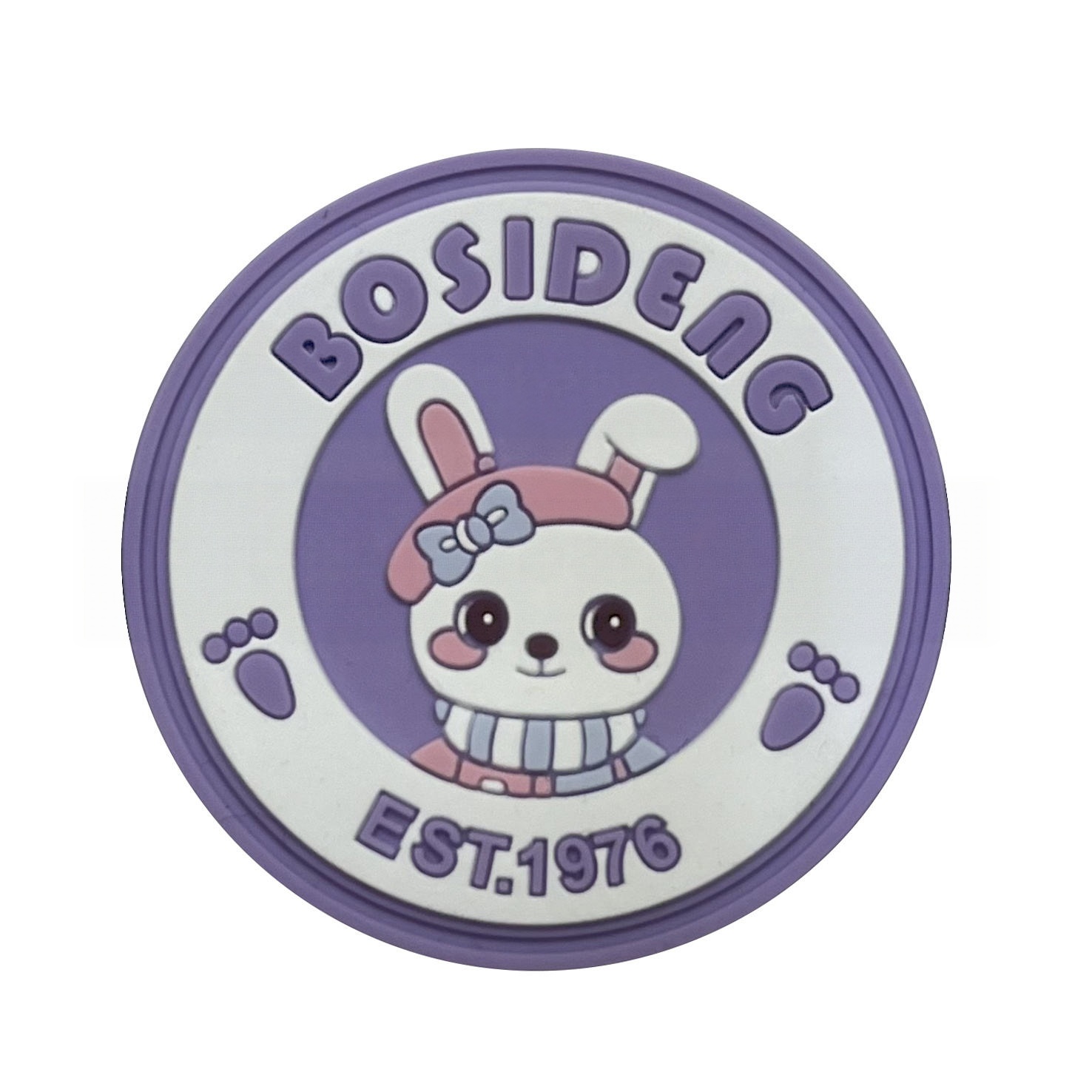
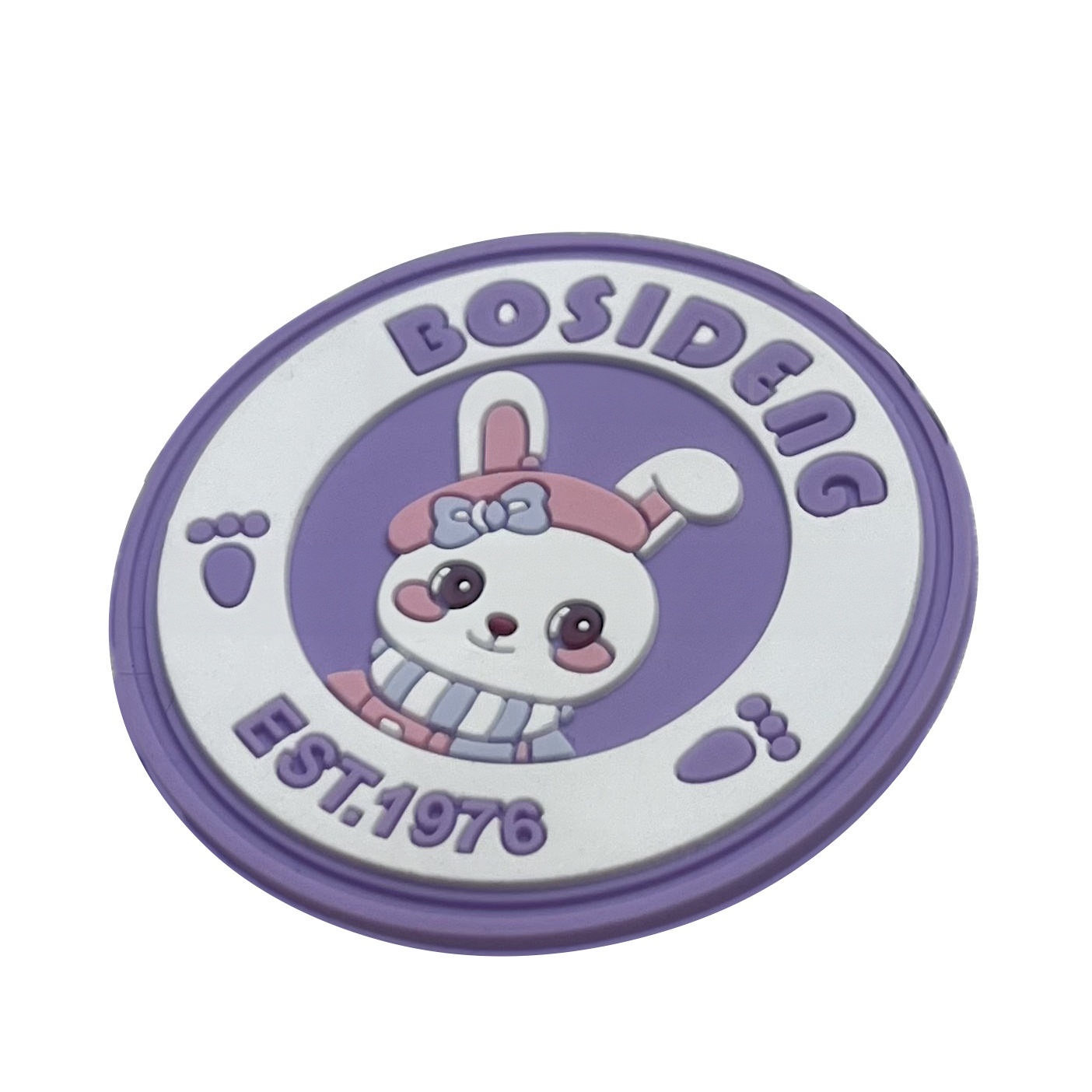
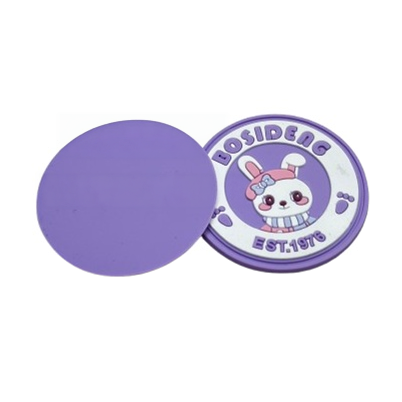

Custom 3D Silicone Laser Cut Roll Heat Transfer Labels
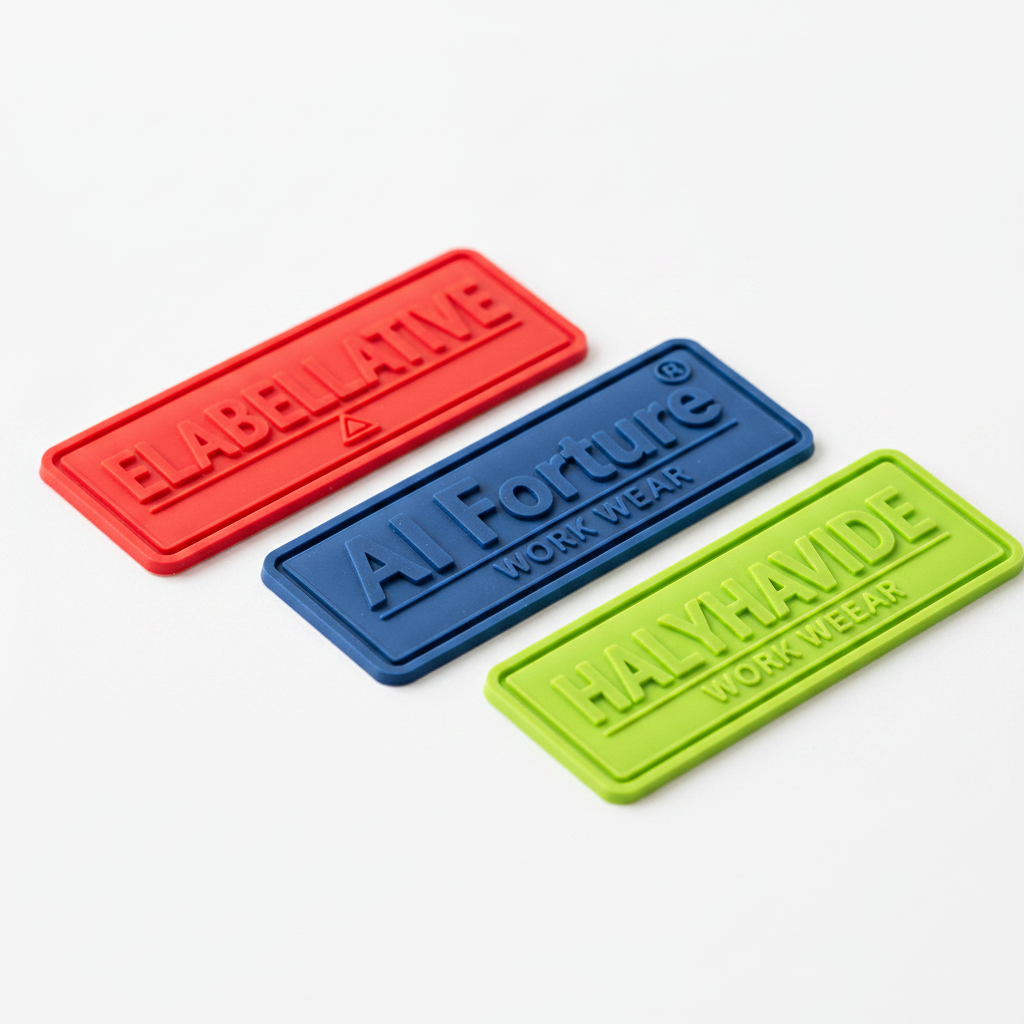
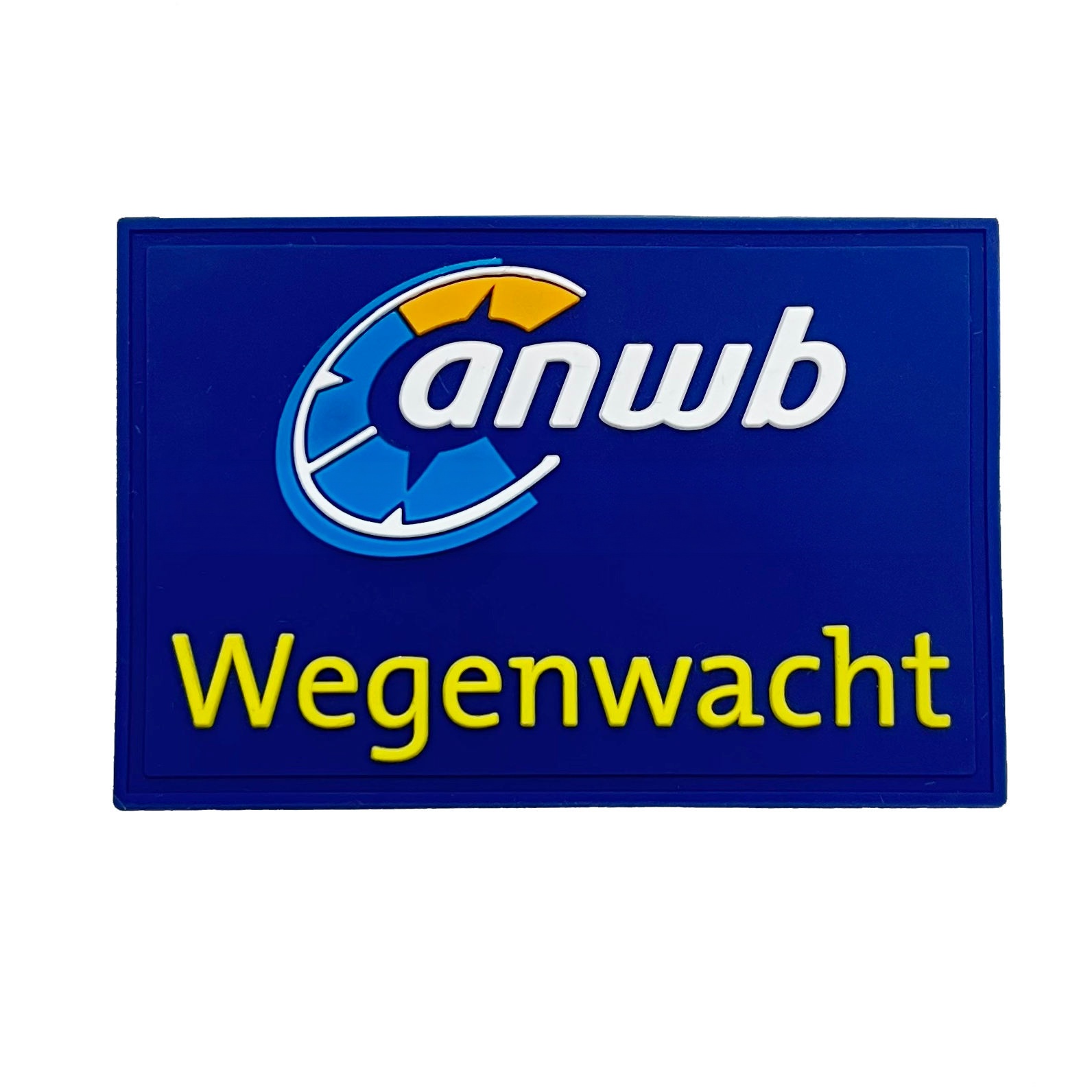
Create distinctive garment branding with custom 3D silicone heat transfer labels produced with precise laser-cut contours and supplied in convenient roll formats. Designed for sportswear, activewear, streetwear, casualwear, uniforms, bags, caps, and textile accessories, these labels combine a raised silicone surface with a heat-activated backing for application to compatible fabrics.
Laser-cut edges allow the label outline to follow your logo, lettering, symbol, or custom graphic. The roll format supports organized storage, repeated manual application, and compatible dispensing or production-line workflows.
Customize the label shape, size, colors, silicone thickness, surface finish, carrier layout, roll direction, and application requirements to match your brand and garment construction.
3D Silicone Construction with Raised Detail
The dimensional effect is created by building silicone above the carrier surface. Raised letters, logos, borders, and selected graphic details can be produced with different profiles depending on the artwork and selected construction.
The final relief and edge definition depend on:
Label dimensions and overall shape.
Artwork line thickness and spacing.
Silicone thickness and layer structure.
Number of colors and registration requirements.
Laser-cutting conditions.
Carrier and adhesive construction.
Fabric stretch and surface texture.
Bold designs and clearly separated elements generally provide stronger definition. Very fine lines, narrow points, small lettering, and tightly spaced details should be reviewed at actual size before production.
Laser-Cut Shapes and Accurate Outlines
Laser cutting can produce custom contours, internal cut details, and clean graphic shapes where the selected silicone and carrier system supports the process. It is suitable for logos, numbers, lettering, badges, symbols, and irregular outlines that are difficult to achieve with standard rectangular formats.
Laser-cut designs should be prepared with:
Clearly defined vector outlines.
Sufficient spacing between cut elements.
Adequate material around narrow points.
Safe distance from the adhesive and carrier edge.
Suitable corner radii for the selected material.
The laser process may create a visible edge effect or slight color variation depending on the silicone formulation and cutting settings. A physical sample is recommended to confirm the edge appearance and dimensional accuracy.
Custom Colors, Layers, and Surface Finishes
Personalize the label with single-color or multicolor silicone graphics. Available effects may include:
Matte or semi-gloss surfaces.
Raised and recessed details.
Contrasting borders or background layers.
Two-tone or multi-layer designs.
Reflective or specialty effects where compatible.
Custom brand colors based on approved references.
Color appearance may vary with the silicone system, garment color, surface finish, and lighting. Sample approval is recommended when exact color matching is important.
For multicolor designs, registration between layers should be reviewed carefully. Small gaps and clearly separated areas can help maintain clean color boundaries.
Roll Format for Efficient Production
Roll supply is suitable for customers who apply repeated labels manually or use compatible dispensing equipment. Roll specifications can be customized to support your workflow, including:
Core diameter.
Maximum roll diameter.
Winding direction.
Label orientation.
Gap between labels.
Number of labels per roll.
Splice or joint requirements.
Single-row or multi-row layout where available.
Labels can be arranged in a consistent direction to simplify positioning on garments. For machine application, provide the dispenser or application-equipment specifications before production so the carrier and spacing can be reviewed.
Heat Transfer Application
The label is supplied on a temporary carrier with a heat-activated adhesive layer. Application performance depends on the transfer construction, fabric composition, surface treatment, press equipment, and operating conditions.
Potentially compatible fabrics may include cotton, polyester, blends, and selected stretch materials, subject to testing. Water-repellent finishes, silicone coatings, textured fabrics, sublimated polyester, and heat-sensitive materials may require special evaluation.
Before bulk application, confirm:
Press temperature.
Dwell time.
Pressure.
Pre-pressing requirements.
Carrier peeling method and temperature.
Cooling or setting time.
Waiting period before washing.
Garment-care conditions.
There is no universal heat-press setting for every label and fabric. Follow the approved product specification and test the sample with the actual application equipment.
Stretch, Wash, and Durability Evaluation
For sportswear and stretch garments, the silicone layer and adhesive must be evaluated together with the fabric’s movement and recovery.
Testing may include:
Adhesion and edge-lift resistance.
Appearance after washing and drying.
Resistance to cracking, peeling, and abrasion.
Stretch and recovery performance.
Color stability and possible dye migration.
Carrier release and application consistency.
A label tested on one fabric should not automatically be described as suitable for every textile. Washability and durability claims should refer to agreed test conditions and acceptance criteria.
Applications for Clothing and Accessories
These 3D laser-cut silicone transfers can be developed for:
Sportswear and activewear.
T-shirts, hoodies, and sweatshirts.
Jackets and outerwear.
Streetwear and casual garments.
Workwear and uniforms.
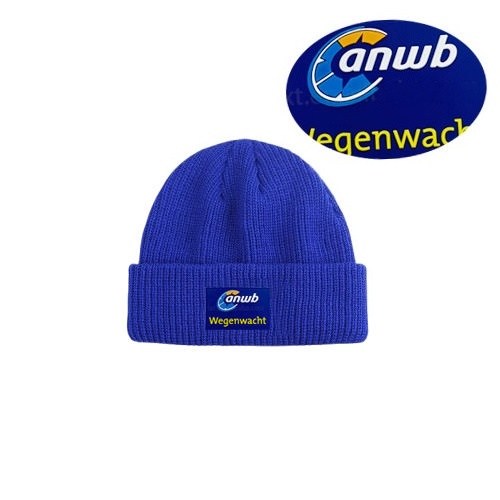
Caps, bags, and textile accessories.
Teamwear and promotional apparel.
Placement should avoid seams, zippers, uneven surfaces, and areas that prevent consistent heat and pressure. Large labels should be reviewed for garment flexibility and comfort.
Sample Approval and Quality Review
Before bulk production, approve a sample applied to the actual garment. Review:
Label shape and laser-cut accuracy.
Raised height and edge definition.
Silicone color and surface appearance.
Carrier release and adhesive coverage.
Adhesion and flexibility.
Roll orientation and label spacing.
Appearance after the intended care process.
For dark or sublimated polyester fabrics, evaluate possible dye migration during heat application and storage. A suitable barrier or migration-control construction may be considered where necessary.
Request a Custom Quotation
Send us your vector artwork, required label dimensions, color references, silicone thickness, garment fabric, garment color, application position, roll specifications, quantity, and care requirements. Include core size or dispenser information if the labels will be applied by machine.
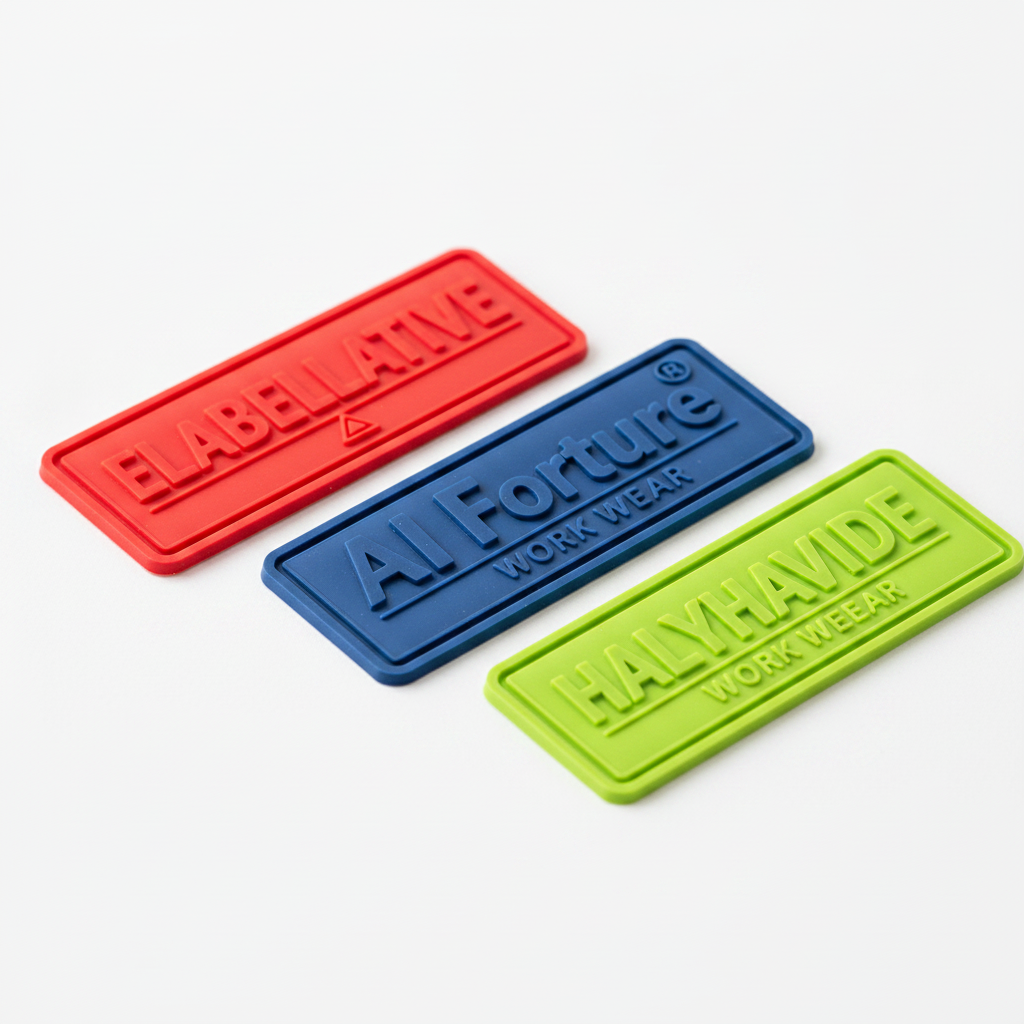
Custom 3D silicone laser-cut heat transfer labels are supplied on release carriers and wound into rolls according to the approved layout. The carrier protects the adhesive layer, maintains the label position, and supports organized application.
Packaging options can include:
Individual roll packing: Each roll labeled with item reference, design, color, quantity, and batch information.
Separate specification packing: Different sizes, colors, garment versions, and artwork packed separately.
Protective roll wrapping: Helps reduce dust, moisture, rubbing, and pressure marks.
Core and winding identification: Core diameter, winding direction, label orientation, and spacing recorded where required.
Flat outer-carton packing: Helps protect rolls from crushing or deformation during shipment.
Application documentation: Approved heat-press and peeling instructions supplied where required.
For machine or dispenser use, confirm the core diameter, maximum roll diameter, label gap, winding direction, and feed orientation before production.
Final roll quantities, carton dimensions, net weight, and gross weight are confirmed after the product and packing specifications are approved.
Store rolls flat or in the recommended orientation, in their original protective packaging and away from direct sunlight, moisture, excessive heat, dust, and heavy pressure. Recommended storage conditions and shelf life should follow the selected silicone, adhesive, and carrier system.