

Custom Logo Woven Label Designs Hem Tags
Custom Logo Woven Hem Tags for Clothing Brands
Turn a small garment detail into a recognizable brand signature with custom woven hem tags. Positioned around a hem edge or inserted into a suitable seam, these compact labels display your logo without taking up a large area of the garment.
Suitable for T-shirts, hoodies, sweatshirts, knitwear, casualwear, and selected accessories, woven hem tags bring a coordinated textile finish to your collection. Customize the artwork, yarn colors, dimensions, folds, and sewing allowances to suit the placement and garment construction.
Woven Branding in a Compact Format
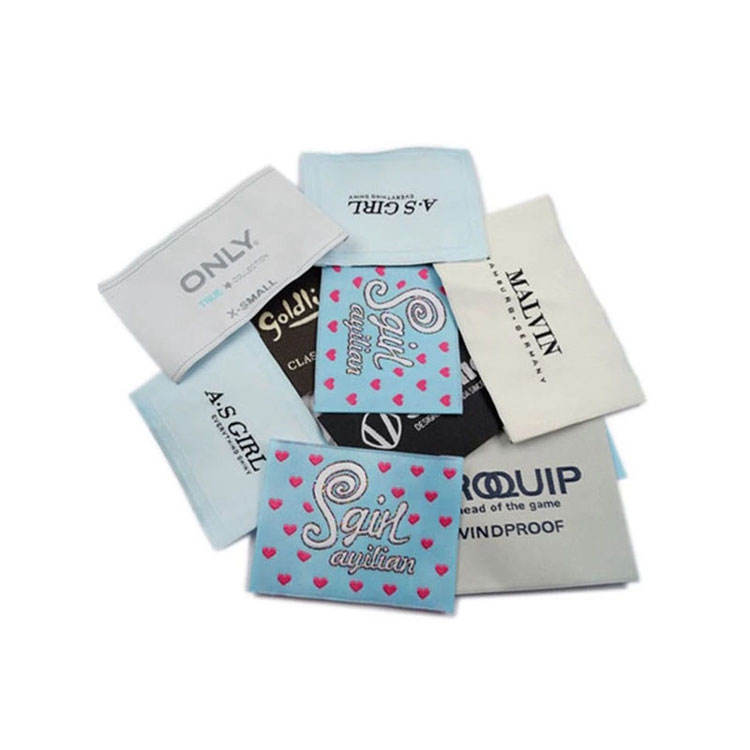
Woven hem tags form logos and lettering directly with yarns. This creates an integrated textile design that can complement the garment’s fabric and other trims.
Because hem tags are usually small, the artwork should be developed for the available space. A simplified logo, monogram, or short brand name often provides clearer recognition than a reduced version of a detailed main label.
Fine-yarn damask and other suitable weave constructions can be reviewed according to the artwork. Yarn thickness, weave density, contrast, and label dimensions all affect detail reproduction.
Folded Designs for Hem and Seam Placement
Choose the construction according to how the tag will be attached:
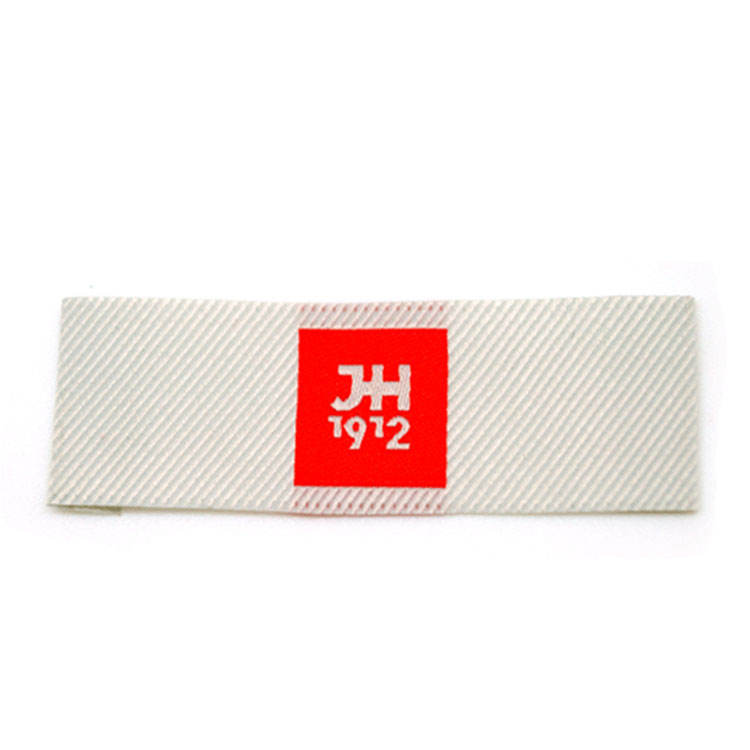
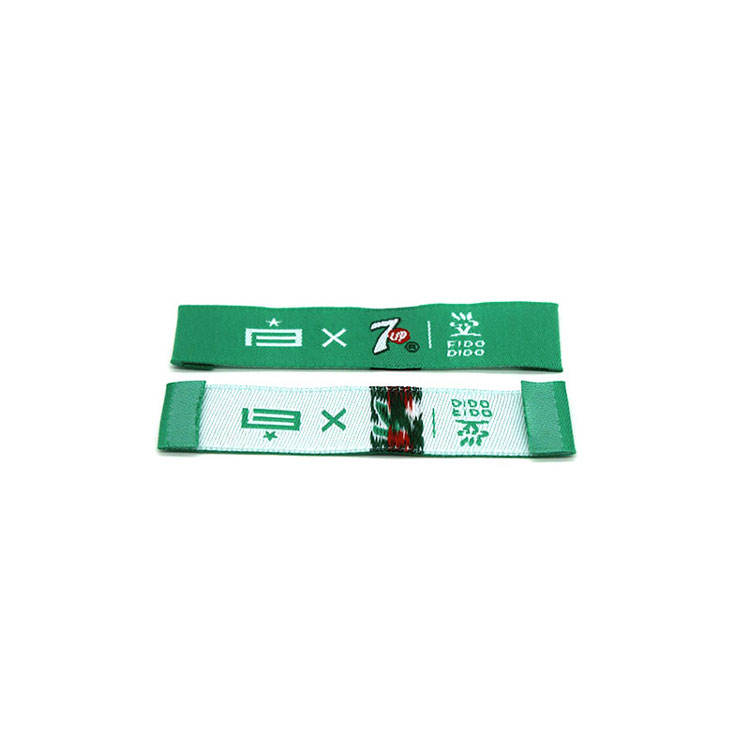
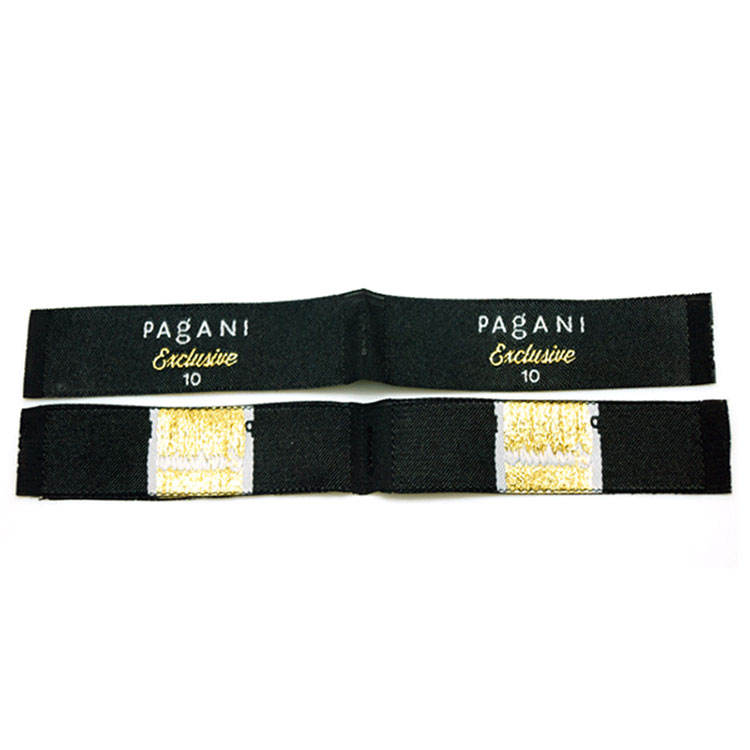
Wraparound hem tags: Fold around the finished hem edge, with panels positioned on the outside and inside of the garment.
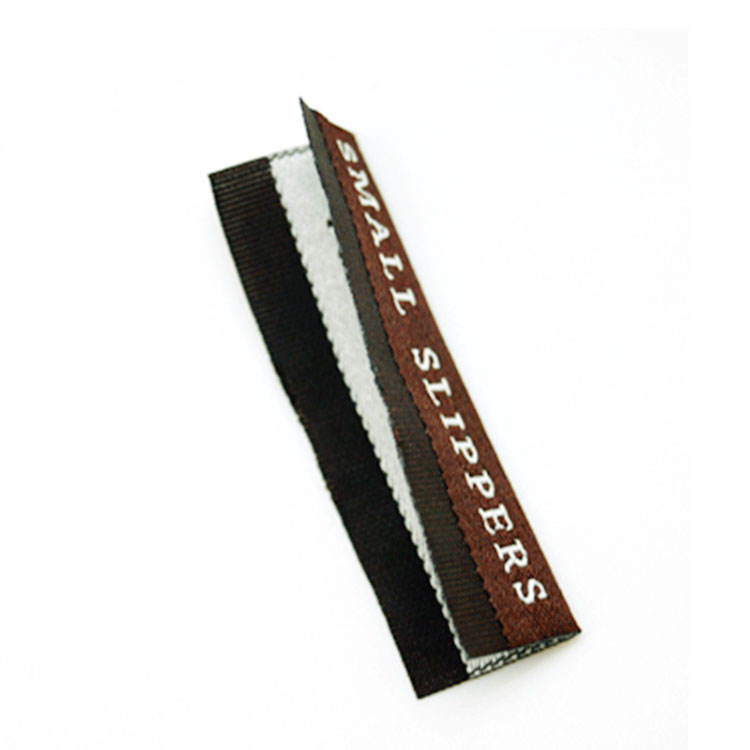
Seam-inserted tabs: Have their cut ends secured within a suitable seam, leaving a folded section visible.
Surface-sewn labels: Sit flat on a selected area near the hem, with stitching arranged around the approved border or attachment points.
These formats require different fold positions, artwork orientations, and sewing allowances. The label should be developed around the garment pattern and attachment method rather than selected by appearance alone.
Front-and-Back Artwork Layouts
Use the visible panels to display a logo, symbol, short message, or coordinated brand detail. A wraparound tag can feature the main logo on the outer panel and secondary information on the inner panel.
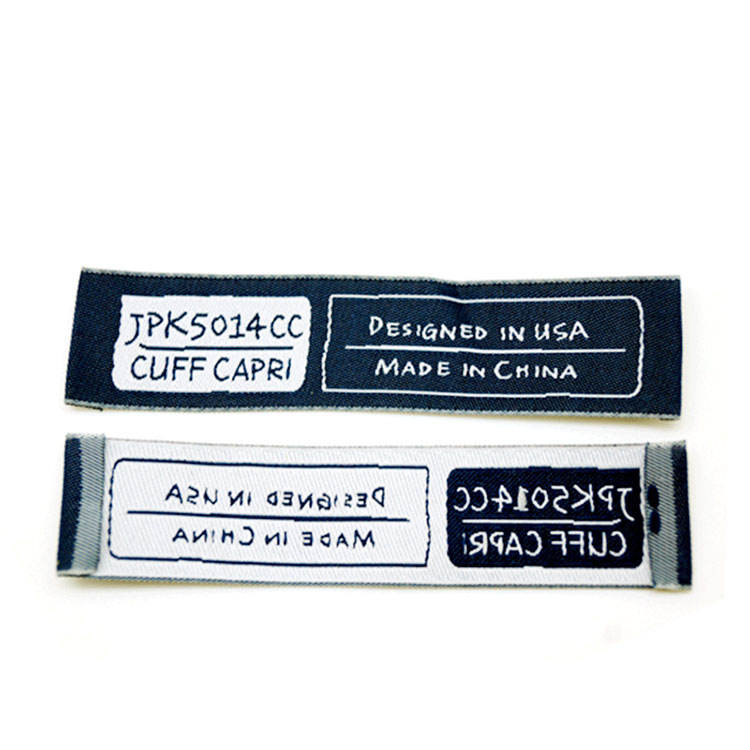
For folded labels, artwork direction must account for how the tag turns around the garment edge. The design should be checked in its finished folded position so lettering reads correctly after sewing.
A woven label’s reverse side may expose floats or a different weave appearance. If both faces will be visible, specify this during development so a suitable construction or folded arrangement can be reviewed.
Custom Dimensions and Sewing Allowances
Specify the total cut length, label width, finished panel dimensions, and fold position. The visible area will be smaller than the complete label because part of the material is folded or secured by stitching.
For a neat fit, consider:
Hem thickness and the number of fabric layers.
The amount of label visible on each side.
Stitching position and distance from the logo.
Fold alignment with the garment edge.
Clearance from side seams or other bulky areas.
Important artwork should remain outside the stitching allowance. A sewn sample helps confirm that the logo stays visible and the label sits evenly without twisting.
Yarn Colors and Brand Coordination
Create subtle tonal branding or use contrasting colors to make a small logo stand out. Match the hem tag with neck labels, size tabs, embroidery, or other garment details for a consistent collection.
Available effects depend on the yarn and weave construction. Physical references are recommended when approving brand colors because yarn sheen, texture, and lighting can affect their appearance.
For different garment colors, coordinated background-and-logo combinations may provide better visibility than using one label color throughout the collection.
Comfort, Flexibility, and Edge Finishing
Hem tags should sit comfortably against the garment without adding unnecessary stiffness or bulk. Yarn selection, label thickness, fold construction, and edge finishing all contribute to the result.
On lightweight T-shirts or stretch knitwear, an overly firm tag or tight stitching can pull the fabric and create puckering. Attachment should therefore be assessed with the actual garment material and production method.
Cut edges should be finished or enclosed as appropriate for the selected construction. Review the sewn label for fraying, exposed firm edges, and snagging during normal handling.
Care Performance and Quality Review
Before bulk production, approve a sample attached to the intended garment. Relevant checks can include:
Logo clarity at the finished size.
Correct artwork orientation on visible panels.
Fold position and alignment.
Color consistency and weave quality.
Stitch security and surrounding fabric condition.
Appearance after the agreed washing and drying process.
Care evaluation can also assess shrinkage, curling, color transfer, fraying, and changes in flexibility. Garment dyeing, enzyme washing, or other treatments should be identified in advance because they may affect the label’s appearance.
Request a Custom Quotation
Send your logo artwork, label width, total cut length, preferred visible dimensions, yarn colors, and quantity. Include a reference image showing the intended hem or seam placement, together with the garment fabric, fold style, and care requirements.
These details help establish the correct panel layout, sewing allowances, and sample construction.
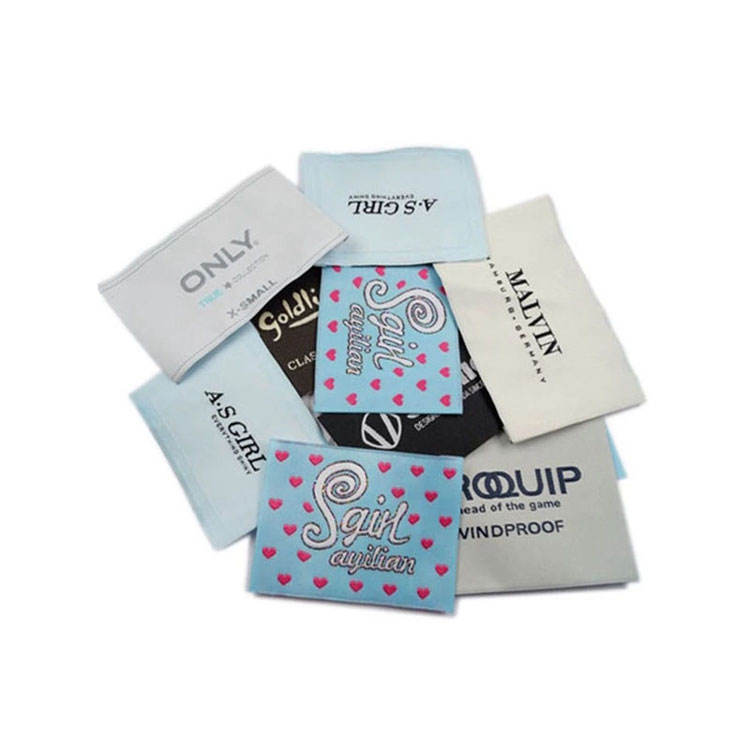
Custom woven hem tags can be supplied cut and folded or in another agreed production format. Packing helps maintain the fold direction and keeps different artwork and color versions organized for sewing-line use.
Options can include:
Counted inner packs: Labels grouped in agreed quantities for production and inventory control.
Folded-label packing: Tags arranged to help preserve their approved shape and panel alignment.
Separate version packing: Different logos, garment colorways, dimensions, and fold styles packed separately.
Orientation identification: Pack labels or reference diagrams showing the intended outer panel where required.
Protective wrapping: Helps keep labels clean during handling and storage.
Carton identification: Item references, quantities, and agreed batch details.
If supplied unfolded or on continuous tape, confirm cutting positions, print or weave repeat spacing, and folding responsibilities before ordering.
Final packing quantities, carton dimensions, net weight, and gross weight are confirmed after specifications are approved. Store labels in clean, dry conditions away from direct sunlight, moisture, contamination, and excessive compression.